
The modern digital landscape operates on an invisible web of data spinning across the globe at the speed of light. Every video streamed, financial transaction processed, and AI model trained requires massive volumes of information to move instantaneously. At the heart of this frantic data movement is a small, often overlooked piece of hardware: the optical transceiver.
Without these hot-pluggable modules plugged into switches and routers, the fiber optic cables traversing our oceans and lining our data centers would remain dark and useless. For anyone managing a growing network fabric, selecting high-quality Optical Transceivers is paramount to achieving structural scaling without succumbing to crippling bottlenecks. But what exactly do these little devices do, and where are they deployed most heavily?
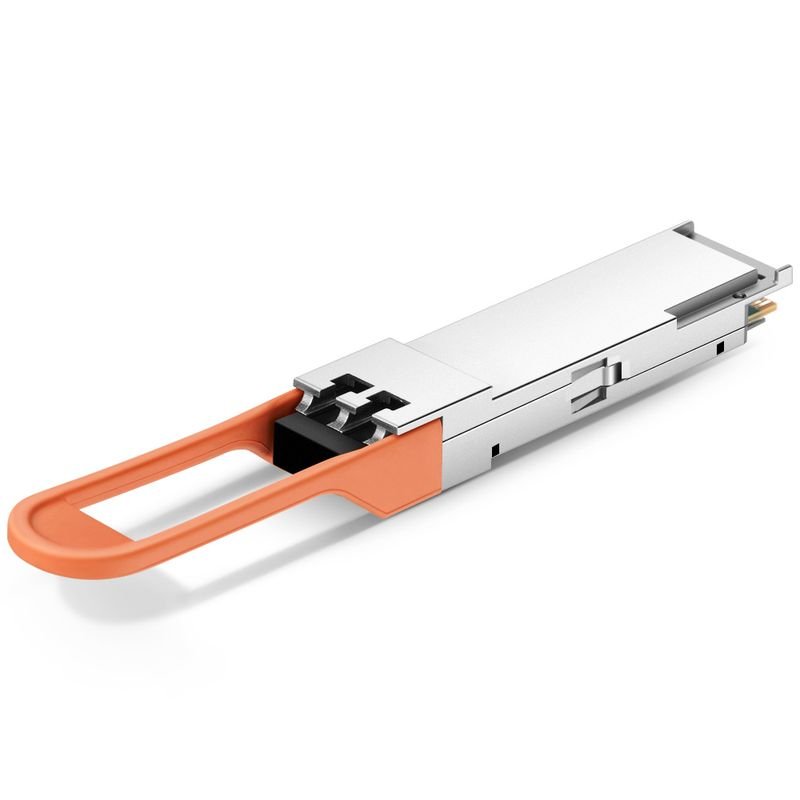
The Core Function: Bridging Electrical and Optical Worlds
To understand the applications, it helps to recall exactly what a transceiver accomplishes. Computer systems, servers, and switches process information internally using electrical signals. Fiber optic cables, however, transmit data using light pulses (photons). An optical transceiver acts as a bidirectional signal conversion device. Inside its compact housing, a transmitter component converts incoming electrical signals into light pulses. The receiver detects incoming optical signals and converts them back into electrical signals.
Historically, copper cabling handled most short-range networking. However, physical constraints soon caught up with copper, making fiber the definitive choice for high-speed infrastructure.
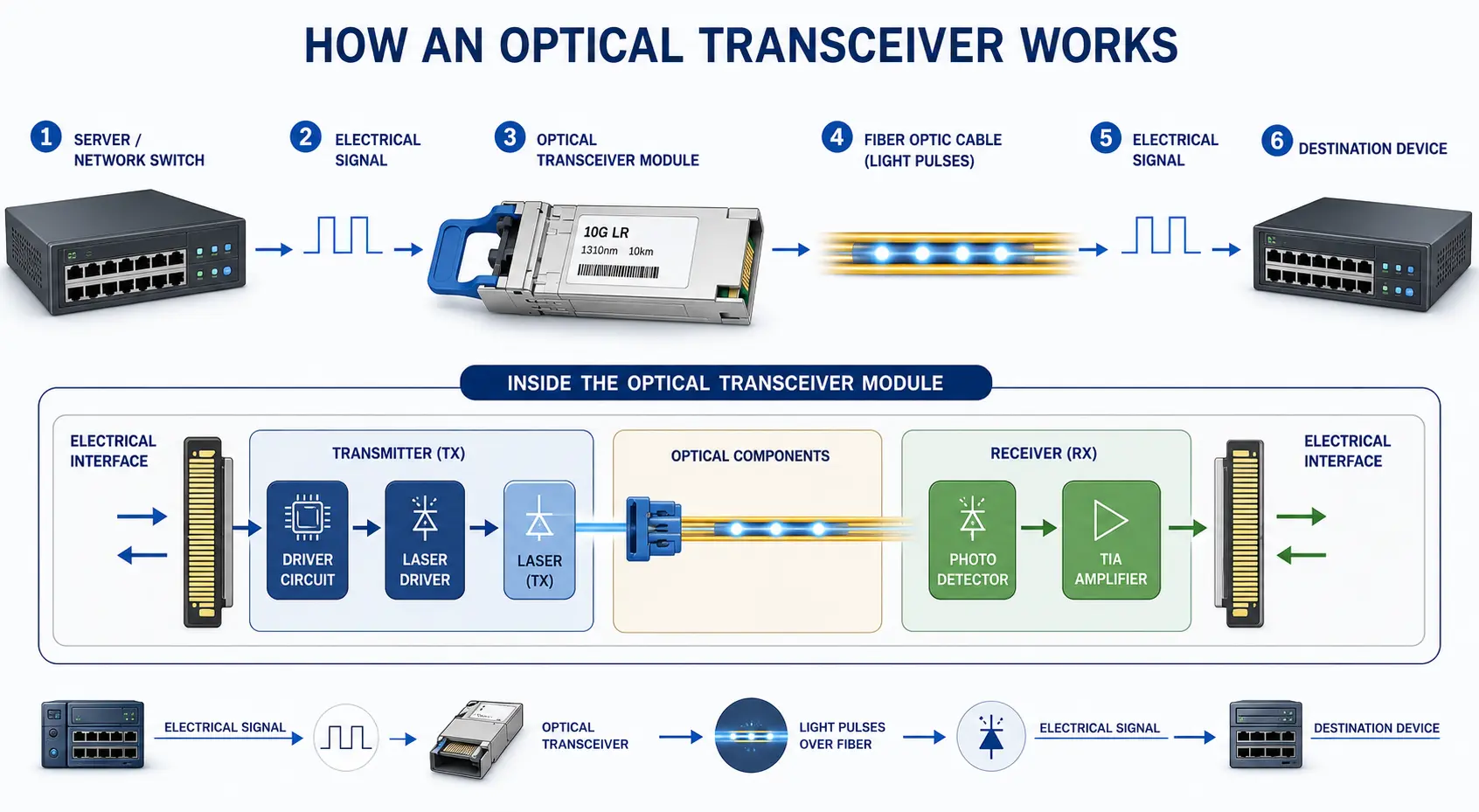
Table 1: Media Comparison in Networking Pipelines
| Feature | Copper-Based Connections (Cat6a / DAC) | Fiber Optic Connections (via Optical Transceivers) |
|---|---|---|
| Typical Reach | Short-distance connections. Cat6a supports up to 100 meters, while DAC is mainly used for short links. | From several hundred meters to hundreds of kilometers depending on module type. |
| Bandwidth Capability | Suitable for common network connections but more limited for ultra-high-speed applications. | Provides higher bandwidth capacity and supports technologies like WDM. |
| Signal Performance Over Distance | Signal loss increases as transmission distance grows. | Maintains stable performance over long-distance transmission. |
| EMI Resistance | Susceptible to electromagnetic interference. | Immune to electromagnetic interference. |
Primary Applications of Optical Transceivers
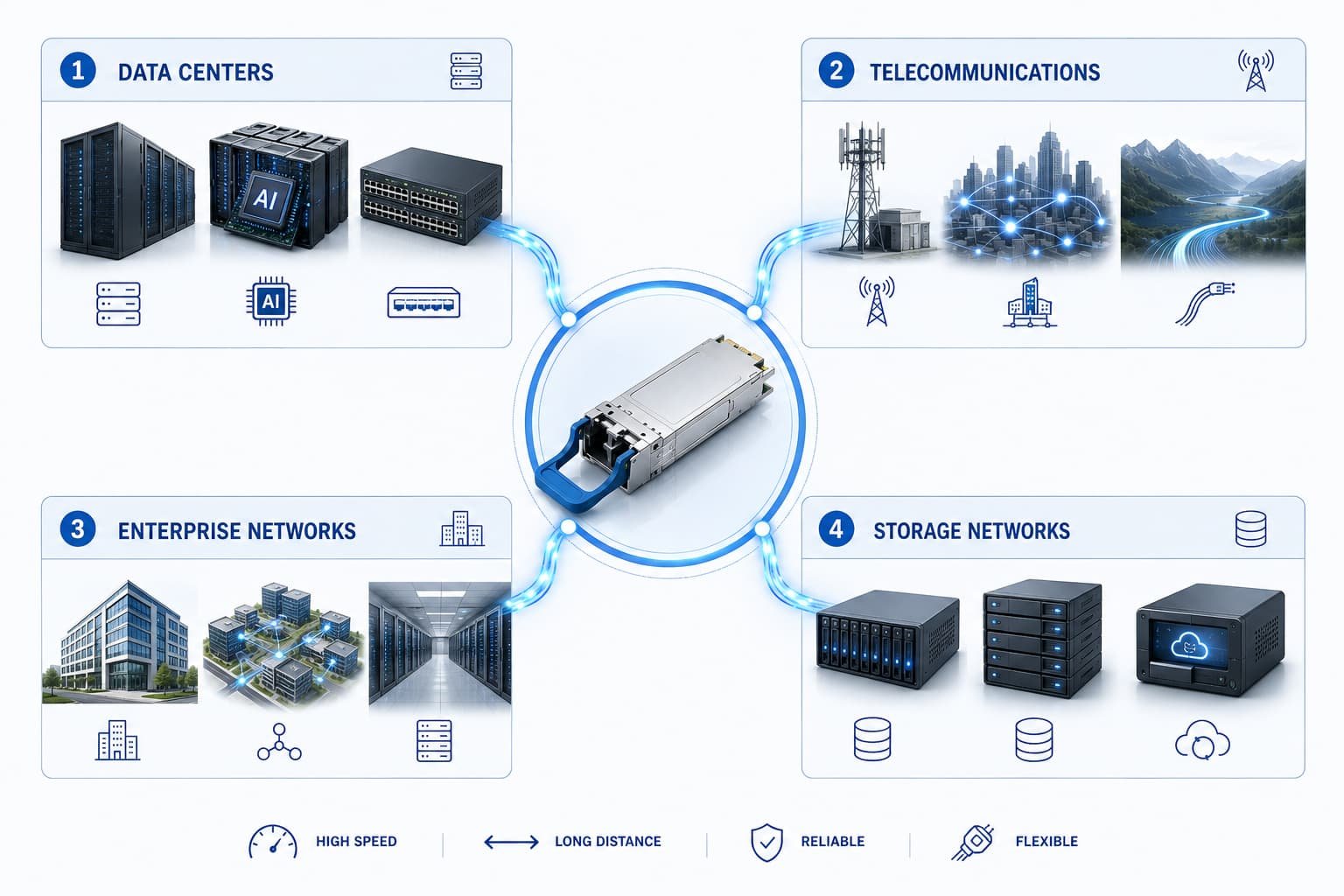
Different networking environments impose wildly varied constraints regarding distance, budget, and environmental conditions. Consequently, the use cases for transceivers stretch across several distinct industries.
1. Hyperscale and AI Data Centers
Data centers are the single largest consumer of high-speed optics today. Inside these mammoth facilities, thousands of servers must communicate with each other continuously (known as East-West traffic).
With the explosive rise of large language models and distributed machine learning workloads, traditional networking architectures have been pushed to their absolute limits. AI clusters require instantaneous data transfers between thousands of GPUs to prevent processing delays.
To cope with this surge, data center operators constantly upgrade their backbone infrastructure. While a legacy enterprise cluster might find that utilizing a reliable 100G Optical Module can dramatically optimize traditional cloud workloads, hyperscalers have moved far past that benchmark. Migrating infrastructure to a 400G Optical Module provides the essential throughput for mainstream multi-tenant cloud platforms. Meanwhile, the unprecedented deployment of the 800G Optical Module within AI cluster fabrics represents the absolute bleeding edge of high-performance scale-out networking.
2. Telecommunications and Carrier Core Networks
Telecom providers rely on optical transceivers to link cities, countries, and continents. When someone makes a cellular call or accesses a website hosted across the ocean, the packet transitions through a carrier’s long-haul transport network.
- Metropolitan Area Networks (MANs): Connecting distinct data hubs or central offices across a single metropolitan territory.
- Long-Haul Networks: Spanning hundreds of kilometers across terrestrial regions, usually employing Dense Wavelength Division Multiplexing (DWDM) to squeeze dozens of independent data streams into a single strand of fiber.
- Subsea Cables: Subsea communication systems rely on advanced optical transmission equipment to maintain high-capacity links across thousands of kilometers of underwater fiber cables.
3. Enterprise Networks and Campus Backbones
Large corporations, hospitals, and universities maintain extensive localized networks. In these environments, transceivers serve as the critical linkage between the central server room (the core layer) and various distributed wiring closets across multiple floors or buildings (the access layer).
For instance, linking two corporate facilities situated a mile apart requires running single-mode fiber coupled with long-reach transceivers to resist environmental degradation and overcome distance limits that copper simply cannot navigate.
4. Storage Area Networks (SANs)
Large-scale enterprise operations generate vast amounts of data that must be backed up securely and fetched rapidly. SANs separate raw storage arrays from standard local network traffic to maximize efficiency. Transceivers operating on Fibre Channel protocols are deployed here to ensure that backup targets and database servers can interact seamlessly without dropping packets during heavy transaction periods.
Evolving Trends Reshaping Transceiver Deployment
The sheer volume of optical modules being deployed globally has forced a major technological pivot. According to recent digital infrastructure studies published by Yole Group, the optical transceiver market is undergoing an intense expansion cycle, heavily accelerated by the specific networking demands of artificial intelligence.
Table 2: Transceiver Categories and Common Forms
| Speed Segment | Dominant Form Factors | Primary Deployment Scenarios |
|---|---|---|
| 800G & Beyond | OSFP, QSFP-DD800 | Next-generation AI training clusters, ultra-dense compute fabrics |
| 400G | QSFP-DD, OSFP | Hyperscale leaf-spine architectures, carrier backbones |
| 100G | QSFP28 | Corporate data center cores, mid-tier metro routing |
| 10G to 25G | SFP+, SFP28 | Enterprise access layers, 5G wireless fronthaul |
As operators cram more hardware into standard server racks, thermal management and energy consumption have become the primary bottlenecks. Industry data tracked by TrendForce indicates that component constraints and soaring power requirements are forcing a shift toward new technology paradigms:
- Silicon Photonics (SiPh): Integrating optical components directly onto silicon substrates, allowing modules to be manufactured using standard semiconductor cleanrooms. This improves structural reliability while reducing overall assembly complexity.
- Linear Pluggable Optics (LPO): By removing the power-hungry Digital Signal Processor (DSP) chip from inside the transceiver module and relying on the host switch’s internal ASIC to handle signal purification, network engineers can realize massive power savings and dramatically lower transmission latency.
Conclusion
From quiet corporate backbones to the hyper-accelerated server rows driving modern AI development, optical transceivers are indispensable pieces of infrastructure. They provide the fundamental versatility networks need to scale up bandwidth seamlessly. As data rates climb from 100G and 400G toward 800G and future terabit architectures, these hard-working components will continue to dictate exactly how fast, and how far, our digital society can grow.
Would you like a flowchart outlining the structural translation process (Electrical to Optical signals) or an illustrative diagram comparing transceiver form factors to accompany this article?