Common Optical Transceiver Wavelengths Explained
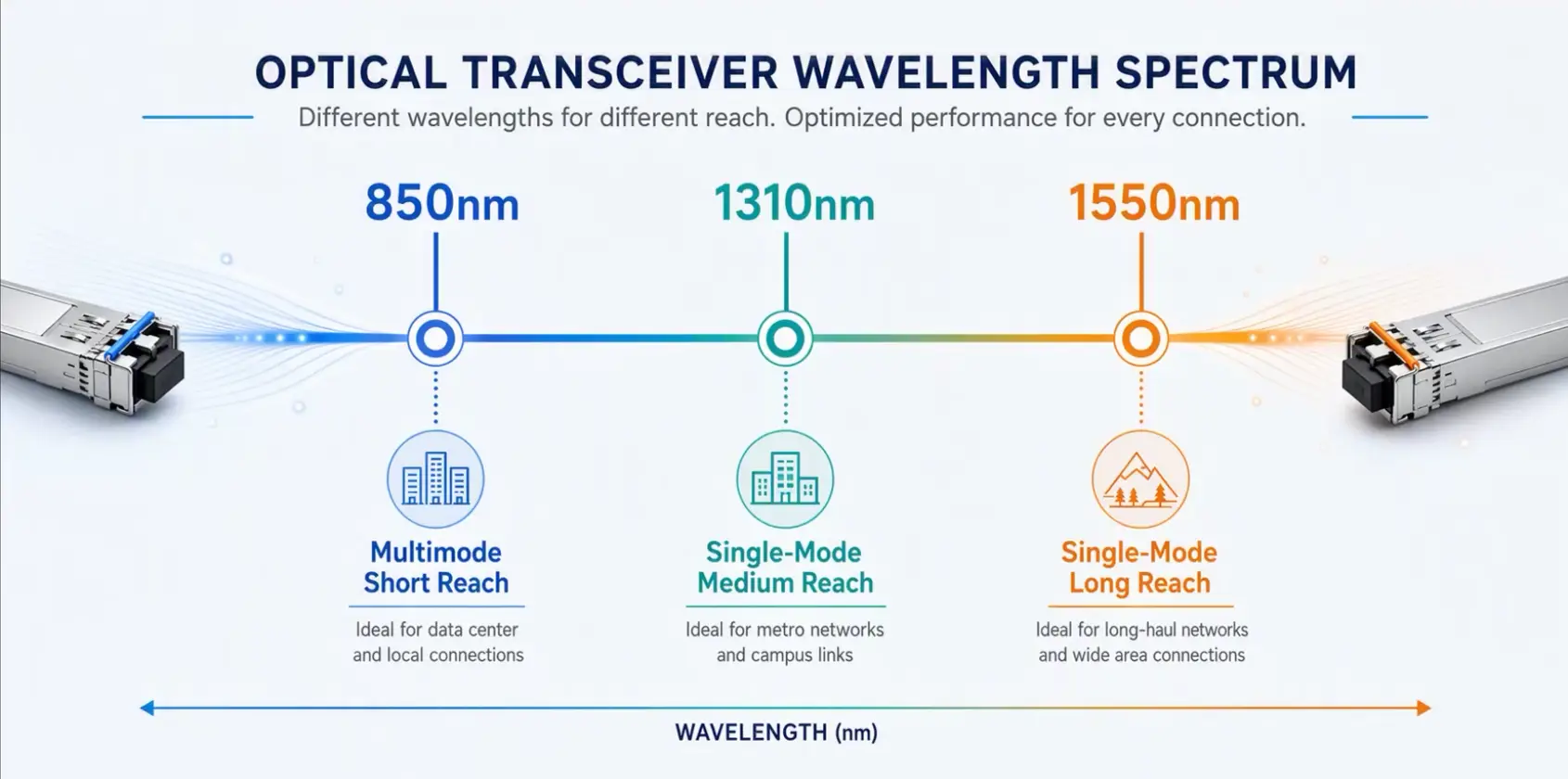
Optical Transceiver Wavelengths are one of those topics that seem simple at first, then quickly turn into a maze of numbers, distances, and fiber types. Still, in real network planning,
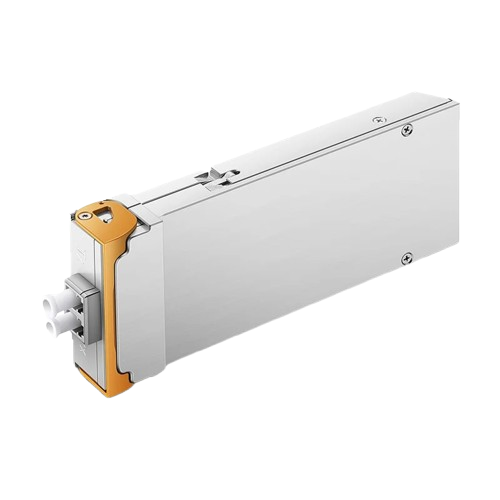
A 200G optical transceiver is a high-speed optical module designed to transmit data at rates of up to 200 gigabits per second over fiber optic networks. It converts electrical signals into optical signals for transmission and converts received optical signals back into electrical signals.

200G optical transceivers provide high-speed, reliable optical connectivity for data centers, cloud platforms, telecom networks, and other bandwidth-intensive applications.
200G optical transceivers support data transmission at speeds of up to 200 Gbps over fiber optic links. They help network equipment handle larger data volumes than traditional 100G connections while maintaining stable and efficient communication.
These modules convert high-speed electrical signals from switches, routers, and servers into optical signals for transmission through fiber. At the receiving end, they convert the optical signals back into electrical signals for further processing.
200G optical transceivers are available in different optical specifications for short-, medium-, and long-reach connections. Options such as SR4, DR4, FR4, and LR4 allow network designers to select the appropriate module based on fiber type and transmission distance.
Compact form factors such as QSFP56 and QSFP-DD allow network equipment to deliver higher bandwidth without significantly increasing rack space. This helps data centers improve port density and make better use of existing network infrastructure.
200G optical transceivers are widely used in data centers, cloud networks, telecom infrastructure, and high-performance computing environments that require scalable and high-bandwidth fiber connections.
From pre-sales verification to long-term operation, our support team stays with you at every stage of your network deployment.
Provide demo environments and POC test support to verify product performance and compatibility.
7×24 hours remote technical support to quickly solve deployment, configuration, installation, and fault problems.
Standard 2-year warranty (flexible adjustment via contract negotiation), covering hardware faults and performance assurance.
World-class customer support team to ensure long-term stable network operation.
A 200G optical transceiver is a high-speed module designed to transmit data at rates of up to 200 gigabits per second over fiber optic networks. It converts electrical signals into optical signals for transmission and converts received optical signals back into electrical signals.
200G optical transceivers are mainly used for high-speed connections in data centers, cloud networks, telecom systems, and high-performance computing environments. They provide a practical solution for networks that need more bandwidth than 100G while maintaining relatively compact module sizes.
Common 200G transceivers include QSFP56 and QSFP-DD modules, with optical specifications such as SR4, DR4, FR4, and LR4. The appropriate type depends on the required transmission distance, fiber type, connector interface, and network equipment.
The main difference is transmission capacity: a 200G transceiver can provide twice the nominal data rate of a 100G module. This makes 200G suitable for network upgrades where traffic growth has exceeded the capacity of existing 100G links.
Selection should be based on transmission distance, single-mode or multimode fiber, form factor, connector type, wavelength, and compatibility with the target switch or router. It is also important to confirm whether the application requires SR4, DR4, FR4, LR4, or another specific optical standard.

Optical Transceiver Wavelengths are one of those topics that seem simple at first, then quickly turn into a maze of numbers, distances, and fiber types. Still, in real network planning,

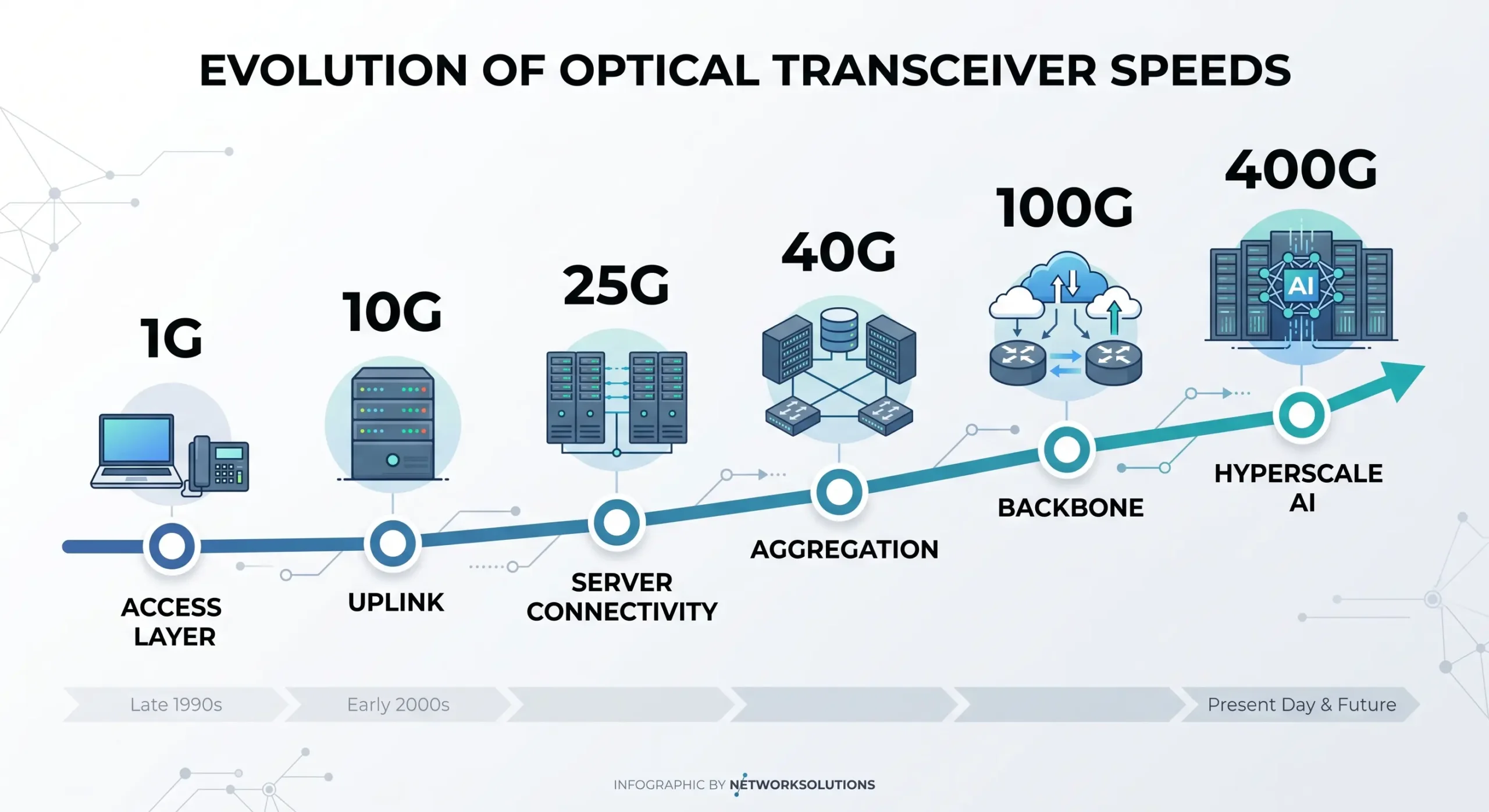
Selecting the right Optical Transceiver Speed is one of those decisions that looks simple at first, then turns surprisingly important once network traffic starts growing. A fast module can keep

The modern digital landscape operates on an invisible web of data spinning across the globe at the speed of light. Every video streamed, financial transaction processed, and AI model trained
+8618934815799
Building 13, Unit 1, Creative Industry Park, No. 70 Qilidian Road, Qixing District, Guilin City