400G Optical Transceiver Module

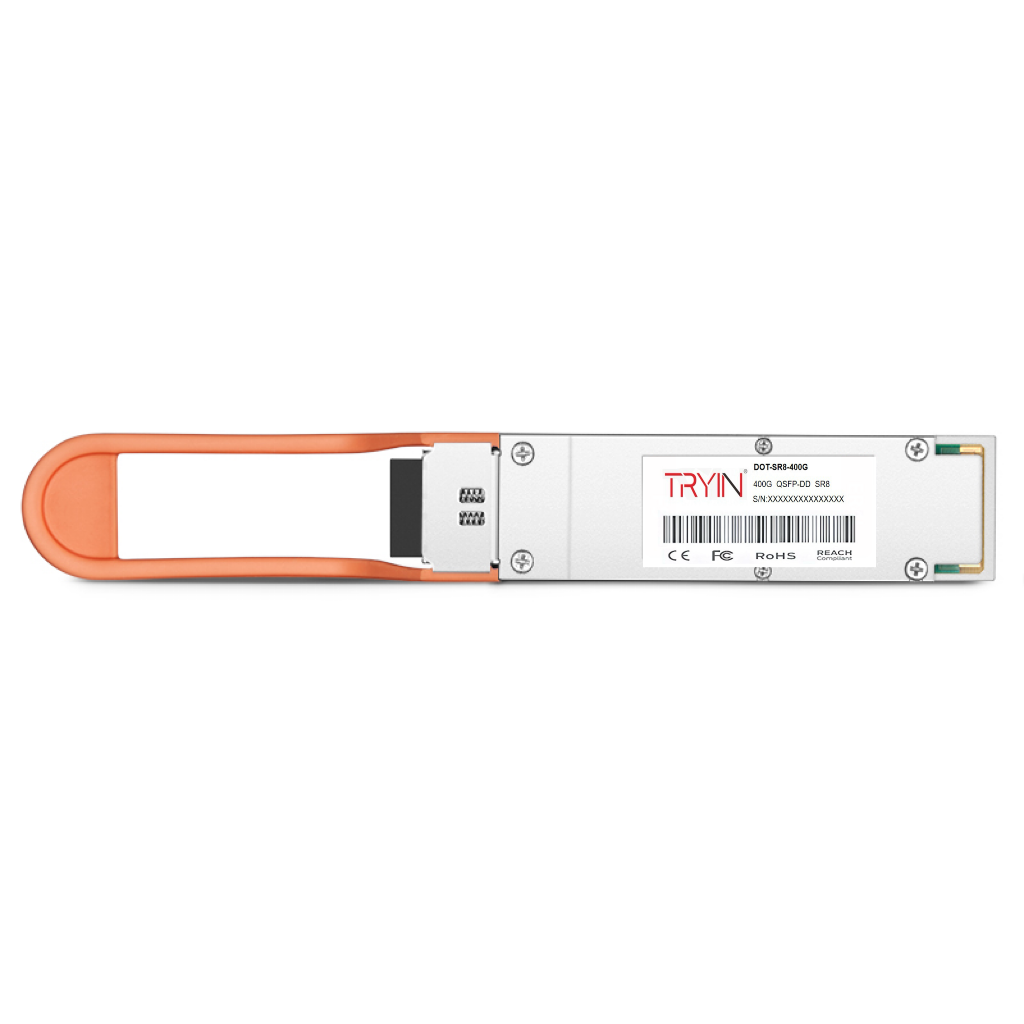
400G QSFP-DD SR8-2

400G QSFP-DD SR8 Optical Transceiver

400G QSFP-DD 10km LR4 Optical Transceiver

400G CFP2-DCO Coherent Optical Module

What are 400G Optical Transceivers?

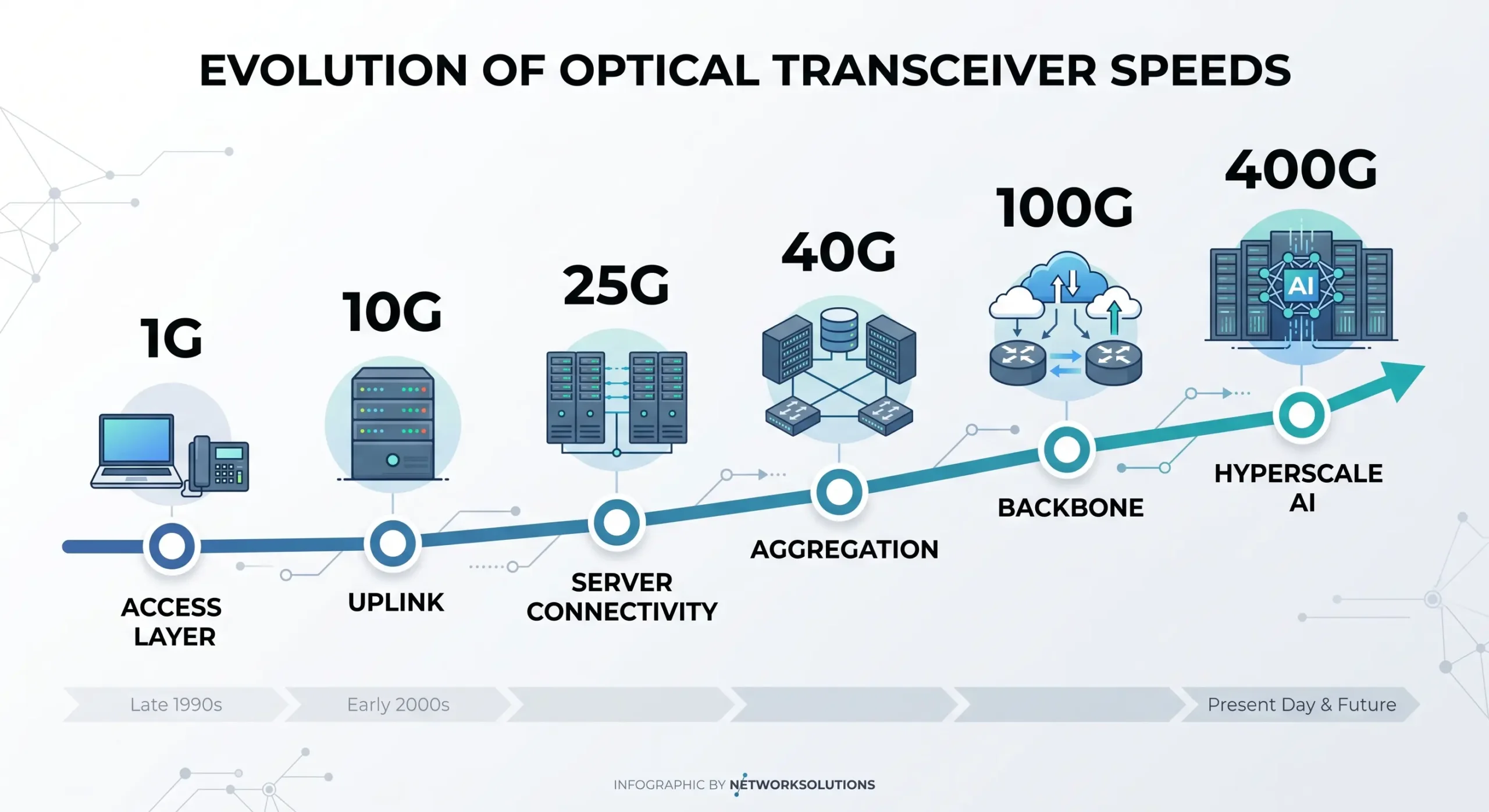
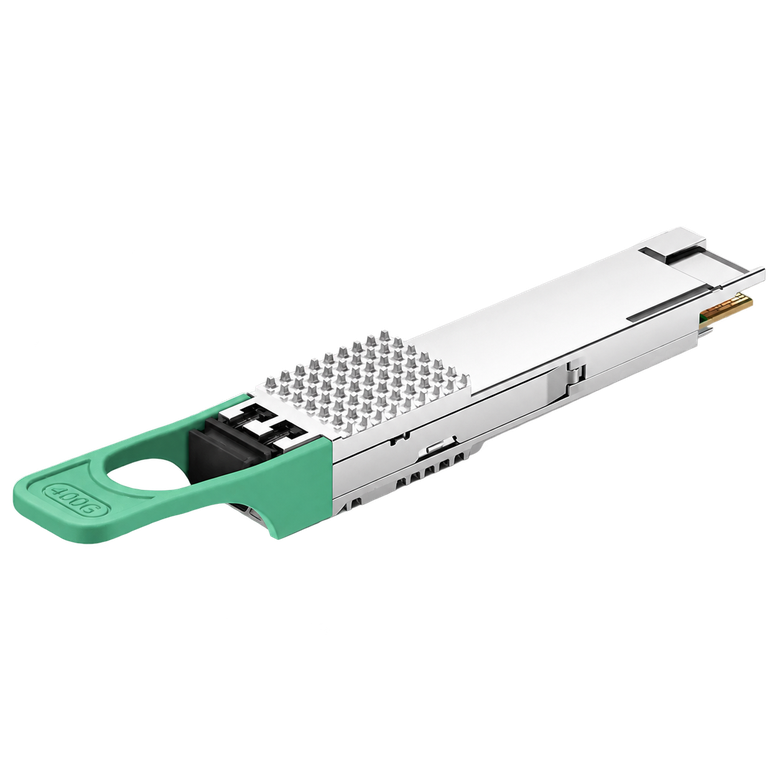
A 400G optical transceiver is a high-speed optical module that converts electrical signals into optical signals for transmission over fiber optic cables — and back again — at a rate of up to 400 gigabits per second.
  • Designed for data centers, cloud networks, high-performance computing and telecom networks that require high bandwidth, low latency and reliable transmission.
  • Available in QSFP-DD and OSFP form factors, supporting common optical specifications such as SR8, DR4, FR4 and LR4 for different transmission distances.
400G QSFP-DD Optical Transceiver

Functions of 400G Optical Transceivers


400G optical transceivers deliver high-speed, reliable fiber connectivity for data centers, cloud networks, AI/HPC systems, and telecom applications.

1. High-Speed Data Transmission

400G optical transceivers support data transmission at speeds of up to 400 Gbps. They help networks handle large volumes of data between switches, routers, servers, and other high-speed equipment.

2. Electrical-to-Optical Conversion

The transceiver converts electrical signals from network equipment into optical signals for transmission through fiber. At the receiving end, it converts optical signals back into electrical signals for further processing.

3. Flexible Transmission Distances

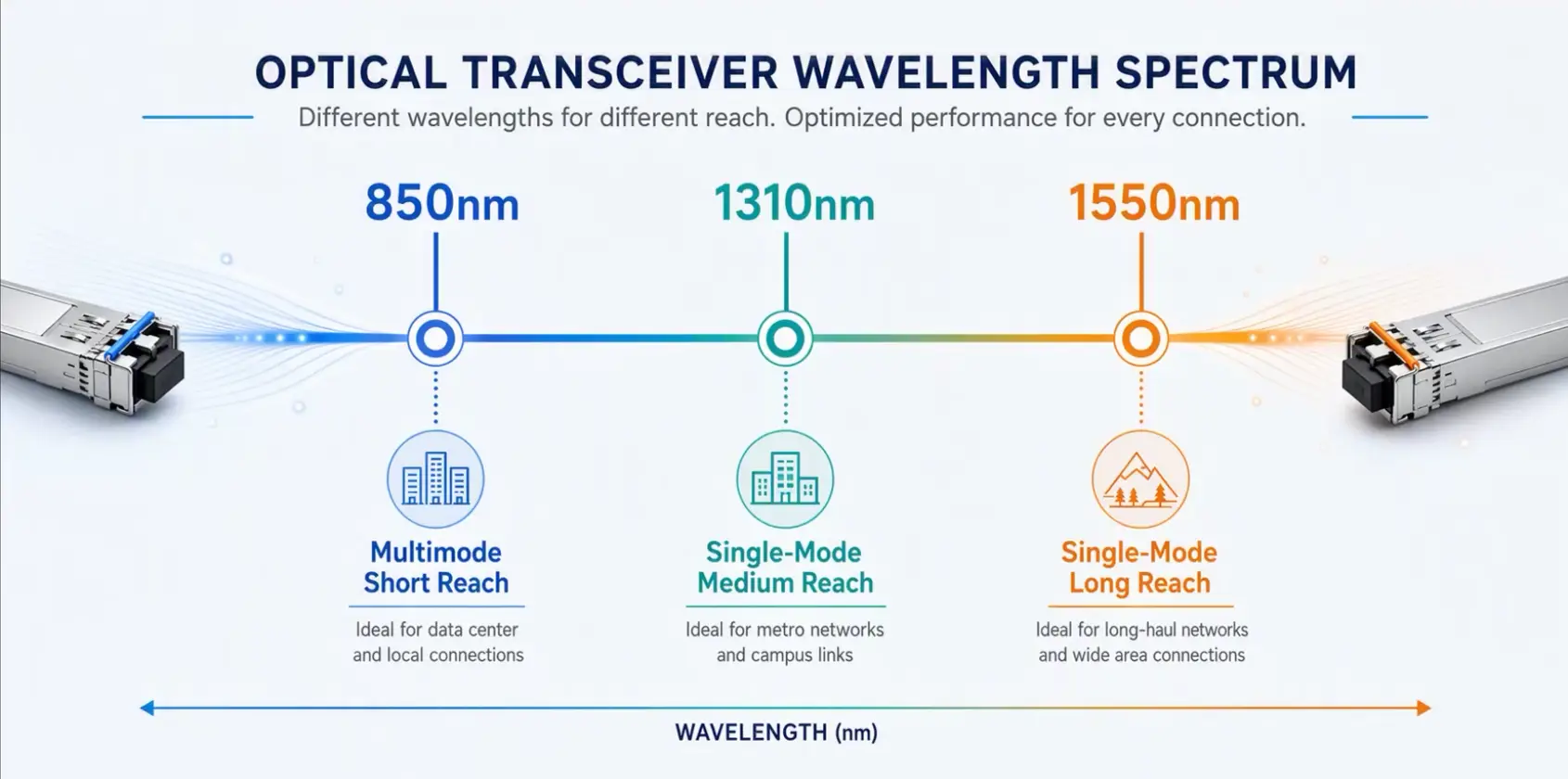
400G optical modules support different transmission distances through specifications such as SR8, DR4, FR4, and LR4. This allows them to meet the needs of short-reach data center links as well as longer-distance network connections.

4. Higher Port Density

Compact form factors such as QSFP-DD and OSFP enable network equipment to provide more bandwidth within limited rack space. This helps increase port density while supporting network capacity upgrades.

5. Network Capacity Expansion

400G transceivers provide the bandwidth required for growing data traffic in cloud computing, AI, HPC, and telecom networks. They are widely used to upgrade network capacity without completely changing the existing fiber infrastructure.

Applications of 400G Optical Transceivers

400G optical transceivers are widely deployed in data centers, cloud infrastructure, AI computing, and telecom networks to support high-capacity, low-latency, and reliable optical connections.

AI Data Centers

400G optical transceivers are widely used for high-speed connections between spine switches, leaf switches, core switches, servers, and storage systems in modern data centers. As data traffic continues to grow, 400G links help increase network bandwidth and port density while reducing congestion between critical network layers. They are especially suitable for large-scale data centers that require fast and stable east-west traffic transmission.

Cloud Computing Networks

Cloud service providers use 400G optical transceivers to connect large numbers of servers, storage systems, and network switches across distributed computing environments. The high bandwidth provided by 400G links supports massive data transfers, virtualization, online services, and real-time cloud applications. It also helps cloud networks scale capacity efficiently as user traffic and computing workloads continue to increase.

AI & HPC Clusters

AI training, machine learning, and high-performance computing applications require extremely fast communication between GPUs, accelerators, compute nodes, and storage systems. 400G optical transceivers provide high-capacity interconnects that help reduce network bottlenecks and improve data exchange efficiency between computing resources. They are increasingly used in AI data centers where large models and parallel computing workloads generate enormous amounts of network traffic.

Telecom & Data Center Interconnects

Telecom operators, internet service providers, and large enterprises use 400G optical transceivers for metro networks, backbone connections, and data center interconnects. Different optical specifications, such as DR4, FR4, and LR4, allow 400G modules to support a range of transmission distances for different network architectures. These modules help operators expand network capacity, improve fiber utilization, and meet growing bandwidth demands between geographically separated network sites.

Technical & Service Support

From pre-sales verification to long-term operation, our support team stays with you at every stage of your network deployment.

Pre-sales

Pre-sales Function Testing

Provide demo environments and POC test support to verify product performance and compatibility.

7×24 Support

Remote Debugging Service

7×24 hours remote technical support to quickly solve deployment, configuration, installation, and fault problems.

Warranty

Warranty Service

Standard 2-year warranty (flexible adjustment via contract negotiation), covering hardware faults and performance assurance.

Support

Client Support Services

World-class customer support team to ensure long-term stable network operation.

FAQ

What is an optical transceiver used for?

An optical transceiver is used to convert electrical signals into optical signals for transmission over fiber optic cables, and then convert received optical signals back into electrical signals. It enables high-speed data communication between switches, routers, servers, and other network equipment.

The rapid growth of cloud computing, AI, high-performance computing, video traffic, and large-scale data centers is driving demand for higher network bandwidth. 400G and 800G technologies help operators increase capacity, reduce bandwidth bottlenecks, and support faster data transmission within limited rack and fiber resources.

400G Ethernet is an Ethernet technology that supports data transmission at up to 400 gigabits per second. It is widely used in data centers, cloud networks, telecom infrastructure, and high-performance computing environments that require high-capacity network connections.

Common 400G optical transceivers include QSFP-DD and OSFP modules with specifications such as SR8, DR4, FR4, and LR4. Different types are designed for different fiber types, transmission distances, and network architectures.

The right module depends on factors such as transmission distance, fiber type, connector interface, form factor, wavelength, and compatibility with your network equipment. It is also important to confirm the required optical specification, such as SR8, DR4, FR4, or LR4, before selecting a module.

Related Guides

Contact Us

Phone

+8618934815799

WhatsApp

+8618078447008

Address

Building 13, Unit 1, Creative Industry Park, No. 70 Qilidian Road, Qixing District, Guilin City