Common Optical Transceiver Wavelengths Explained
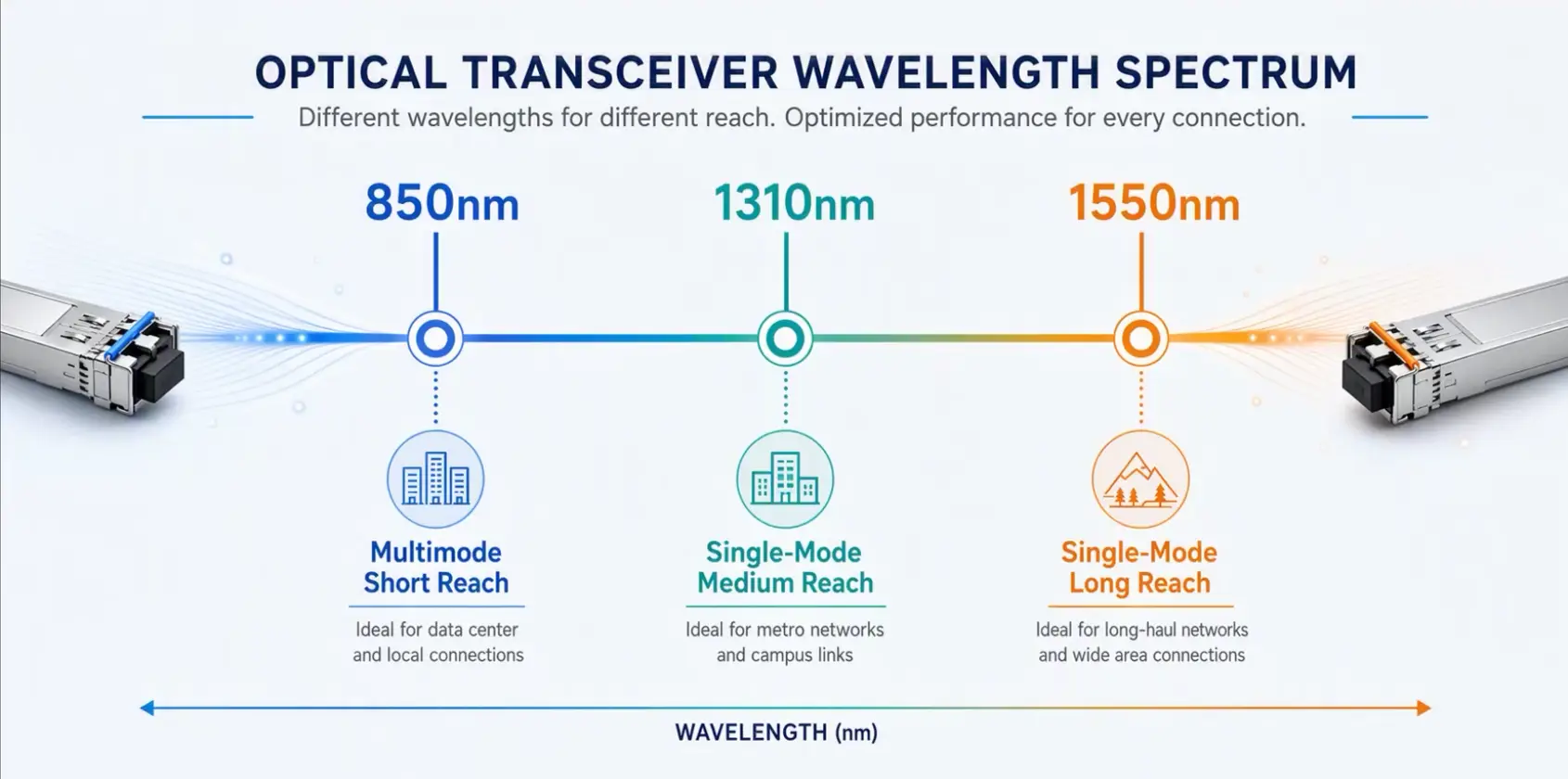
Optical Transceiver Wavelengths are one of those topics that seem simple at first, then quickly turn into a maze of numbers, distances, and fiber types. Still, in real network planning,
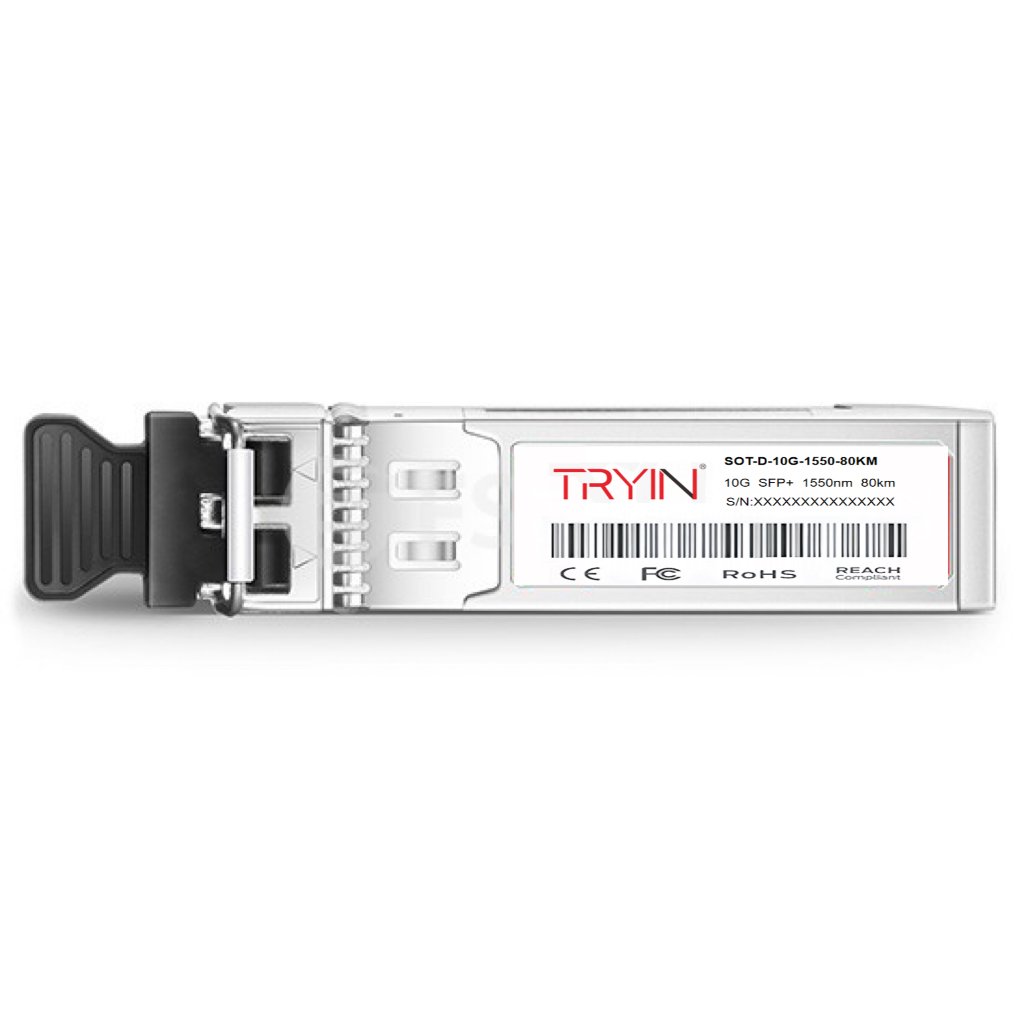
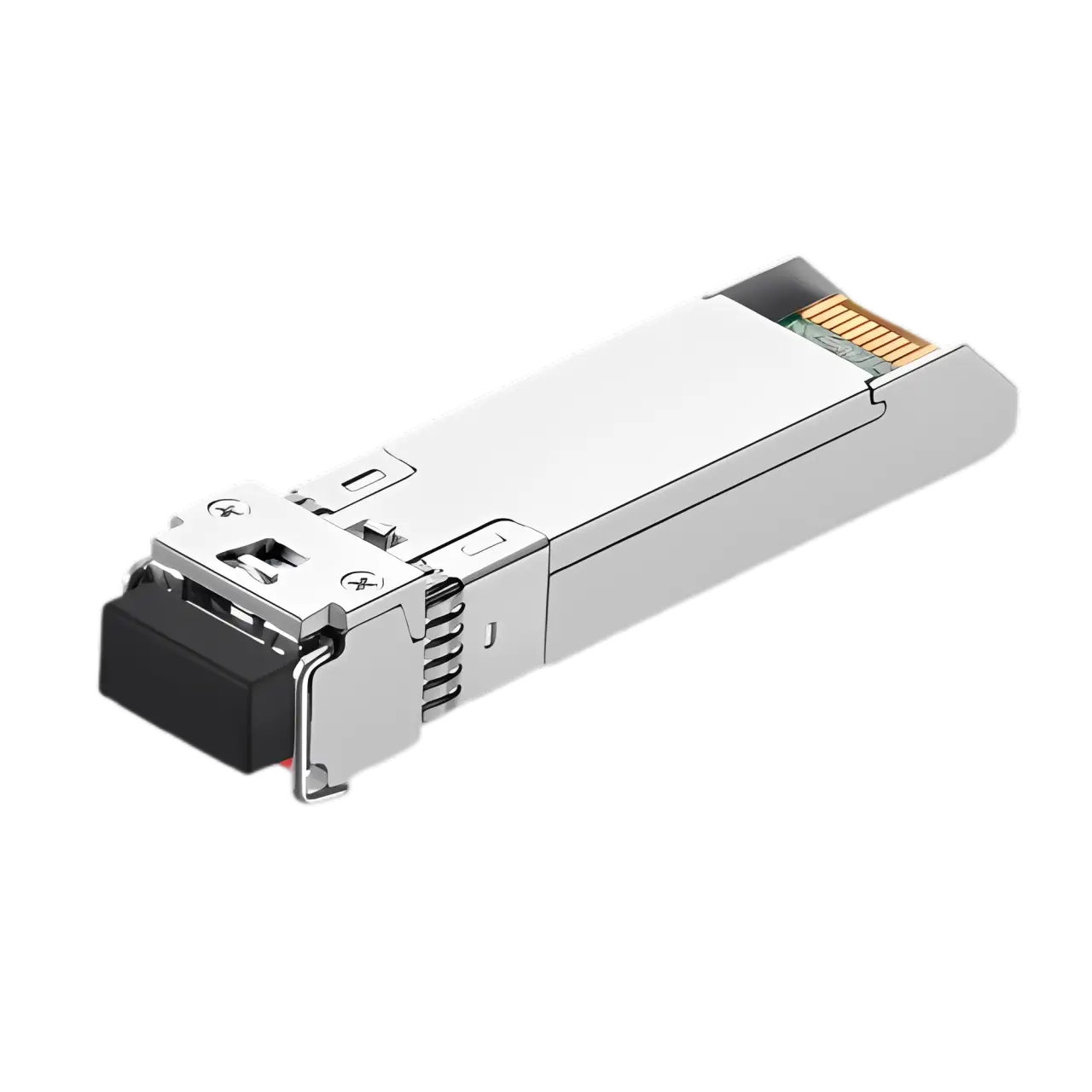
A 10G optical transceiver module is a compact, hot-pluggable device that converts electrical signals into optical signals—and back again—to enable data transmission at up to 10 gigabits per second over fiber optic networks.

10G optical transceivers provide reliable 10 Gigabit connectivity by converting electrical and optical signals, adapting network equipment to different fiber links, and supporting transmission from short data center connections to long-distance telecom networks.
A 10G optical transceiver converts electrical data generated by switches, routers, servers and other network equipment into optical signals for transmission over fiber. At the receiving end, it converts the incoming optical signals back into electrical data that the connected equipment can process.
These modules provide data transmission rates of up to 10 Gbps, supporting applications that require greater bandwidth than traditional Gigabit Ethernet connections. They help improve data transfer efficiency between servers, switches, storage systems and network aggregation equipment.
Different optical specifications are available to meet a wide range of link requirements. SR modules are commonly used for short-distance multimode fiber connections, while LR, ER and ZR modules support progressively longer transmission distances over single-mode fiber.
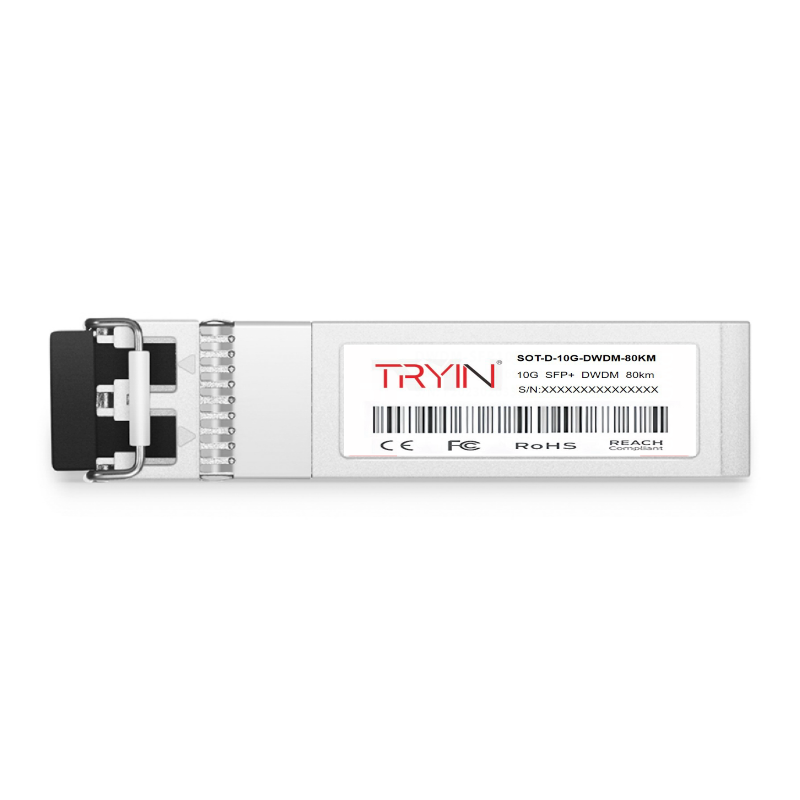
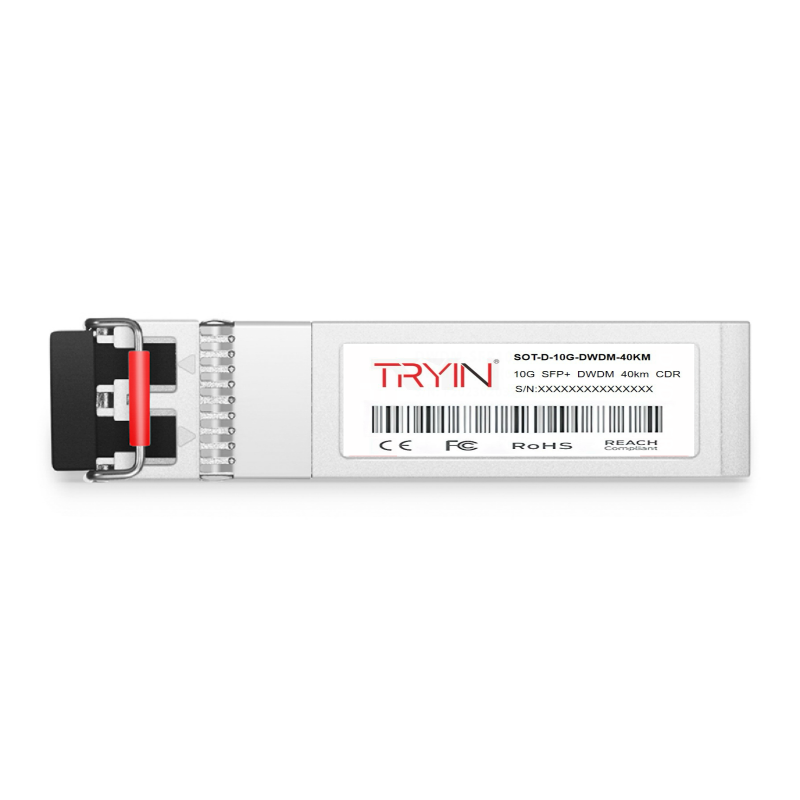
BiDi transceivers can transmit and receive data over a single fiber strand, reducing the amount of fiber required for a connection. CWDM and DWDM modules allow multiple wavelength channels to be transmitted over the same fiber pair, helping increase network capacity without installing additional fiber cables.
The hot-pluggable design allows compatible modules to be installed or replaced without shutting down the entire network device, making upgrades and maintenance more convenient. Many 10G optical transceivers also support DDM or DOM for monitoring temperature, voltage, transmit power and receive power, helping operators identify potential link problems.
10G optical transceivers are widely deployed in data centers, enterprise networks, telecom infrastructure and storage systems. Different form factors, wavelengths and transmission distances allow them to meet both short-range equipment connections and long-distance optical transport requirements.
From pre-sales verification to long-term operation, our support team stays with you at every stage of your network deployment.
Provide demo environments and POC test support to verify product performance and compatibility.
7×24 hours remote technical support to quickly solve deployment, configuration, installation, and fault problems.
Standard 2-year warranty (flexible adjustment via contract negotiation), covering hardware faults and performance assurance.
World-class customer support team to ensure long-term stable network operation.
A 10G SFP+ transceiver is used to establish 10 Gigabit connections between switches, routers, servers, storage systems and other network equipment. Depending on the optical specification, it can support short-distance data center links, enterprise and campus backbones, telecom access networks, metro transport and data center interconnection.
The price of a 10G SFP+ transceiver depends on its transmission distance, wavelength, fiber type, operating temperature and equipment compatibility. Standard SR and LR modules generally cost less than long-reach, BiDi, CWDM or DWDM models. For an accurate quotation, provide the required distance, wavelength, fiber type and switch or router model.
Not always. Some network ports support both 1G SFP and 10G SFP+ modules, but a standard 10G SFP+ optical transceiver may not automatically operate at 1G. Compatibility depends on the transceiver, network equipment and port configuration, so the device specifications should be checked before installation.
Both technologies can support data rates of up to 10 Gbps, so SFP+ is not necessarily faster than 10GBASE-T. SFP+ commonly uses fiber, DAC or AOC connections and is often selected for lower latency, longer transmission distances and higher port density. 10GBASE-T uses RJ45 connectors and copper cabling, making it convenient for compatible short-distance Ethernet connections.
Check the product label, model number, datasheet or diagnostic information displayed by the network device. A 1G module is normally identified as SFP or 1000BASE-SX/LX, while a 10G module is commonly identified as SFP+ or 10GBASE-SR/LR/ER/ZR. The module model should also be checked against the equipment compatibility list.

Optical Transceiver Wavelengths are one of those topics that seem simple at first, then quickly turn into a maze of numbers, distances, and fiber types. Still, in real network planning,

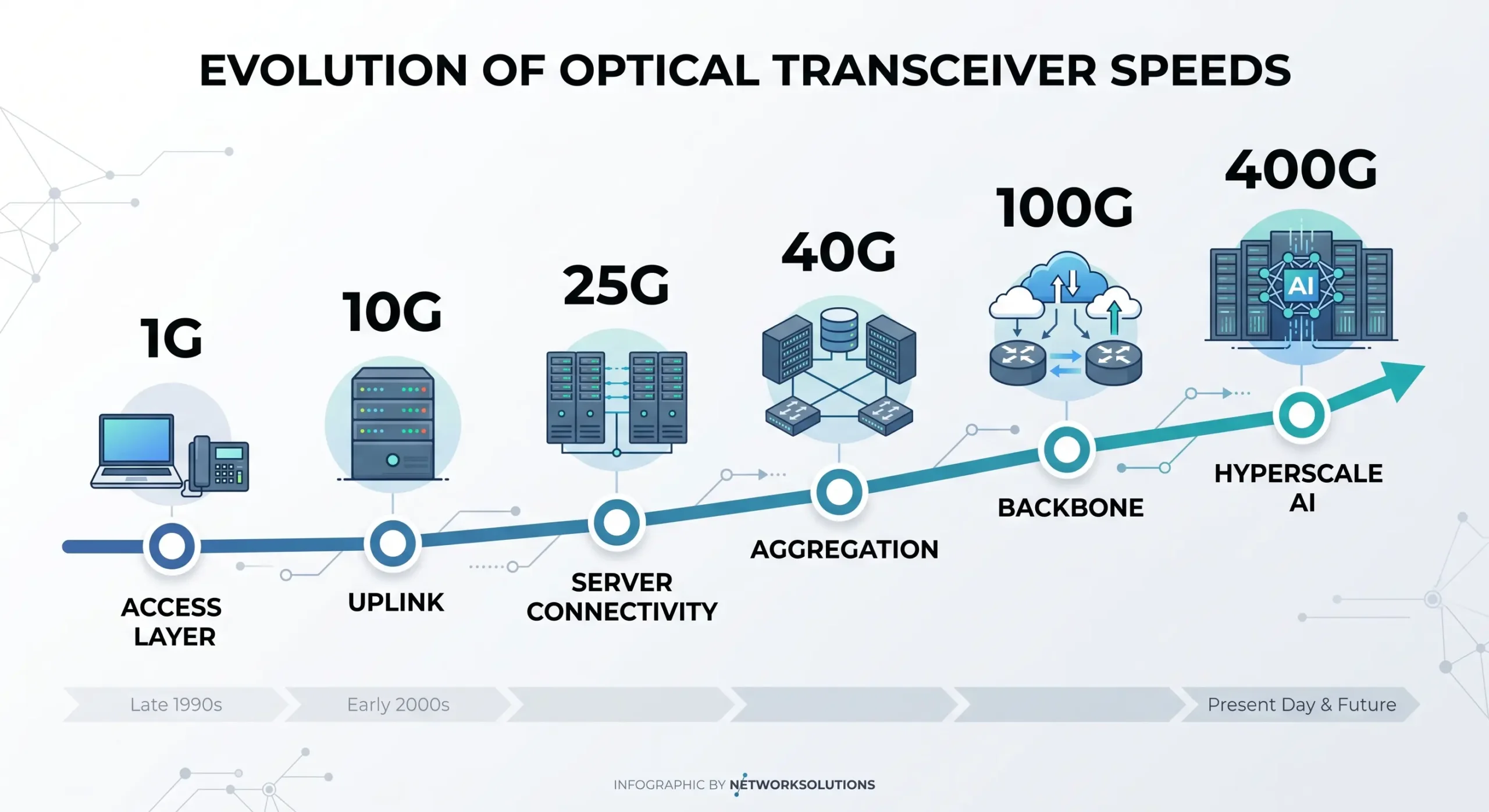
Selecting the right Optical Transceiver Speed is one of those decisions that looks simple at first, then turns surprisingly important once network traffic starts growing. A fast module can keep

The modern digital landscape operates on an invisible web of data spinning across the globe at the speed of light. Every video streamed, financial transaction processed, and AI model trained
+8618934815799
Building 13, Unit 1, Creative Industry Park, No. 70 Qilidian Road, Qixing District, Guilin City