100G Optical Transceiver Module

optical transceivers

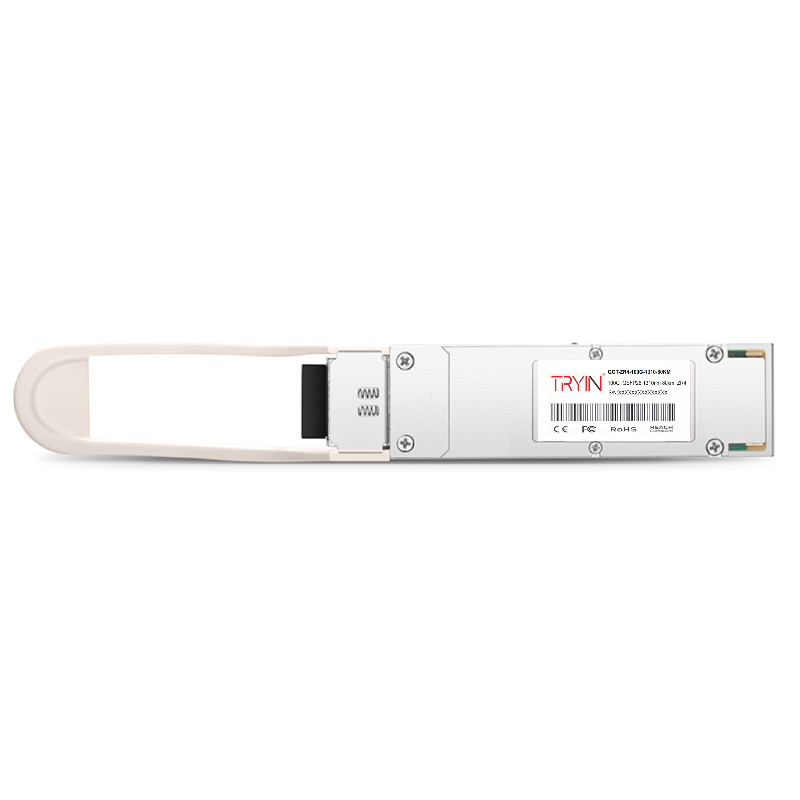
100G QSFP28 1310nm 80km ZR4 Optical Transceiver

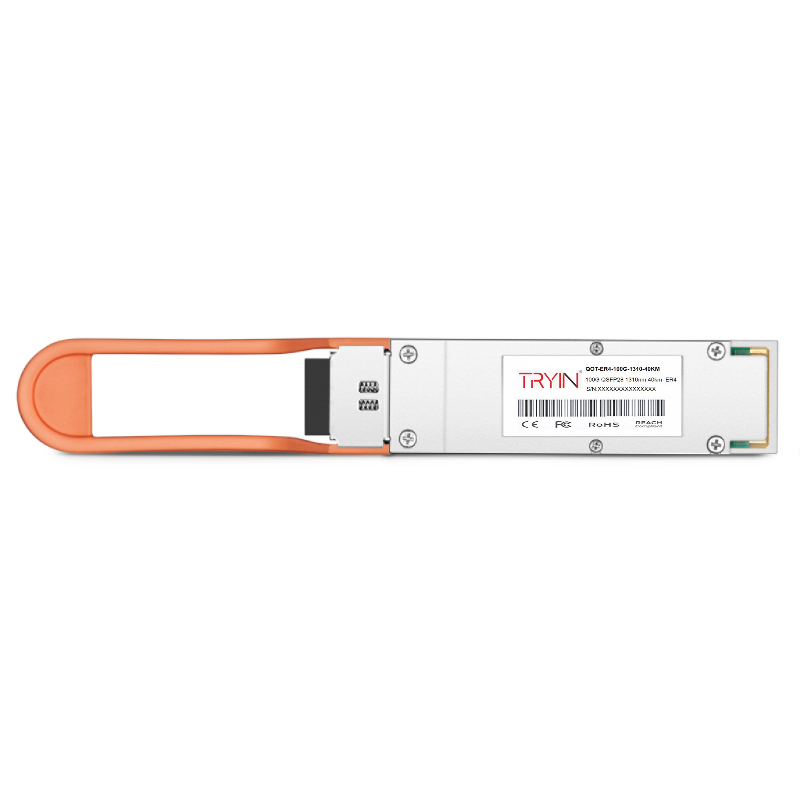
100G QSFP28 1310nm 30km ER4 Optical Transceiver

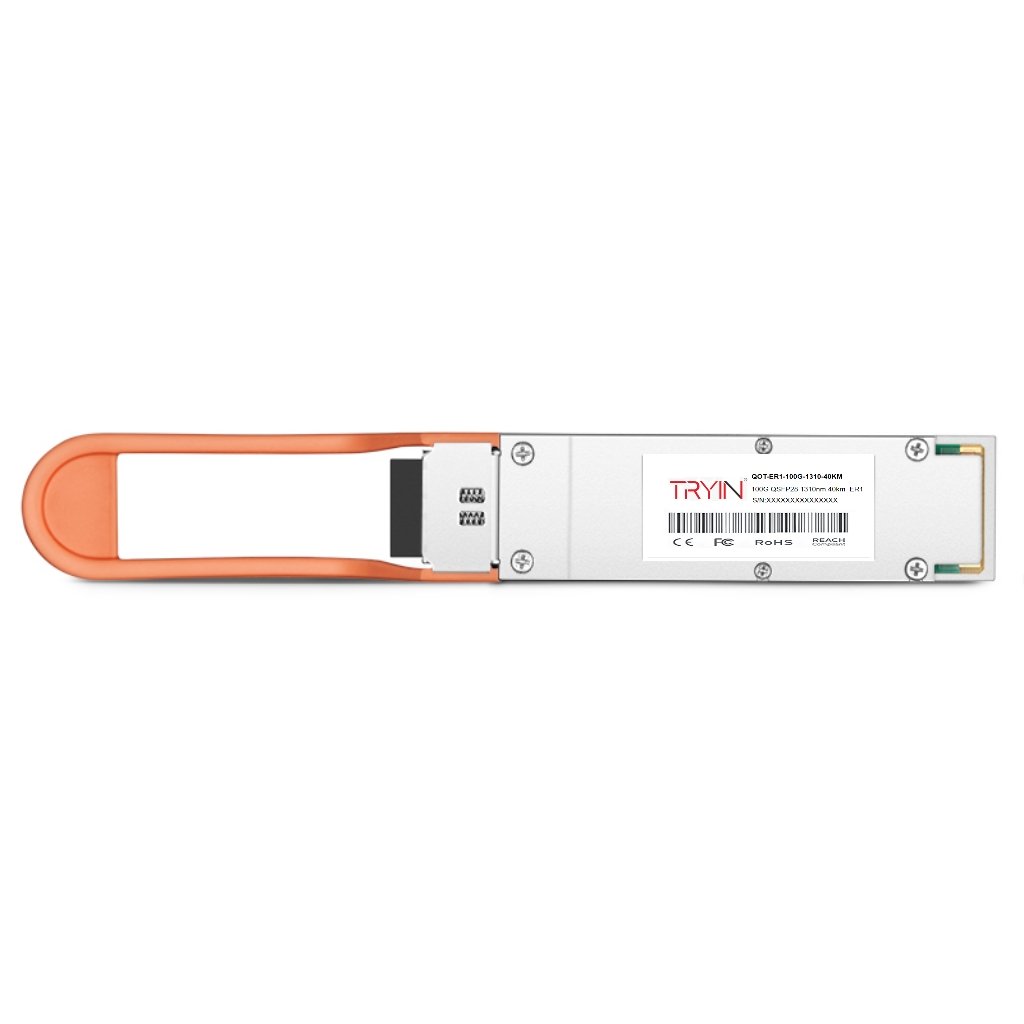
100G QSFP28 1310nm 40km ER1 Optical Transceiver

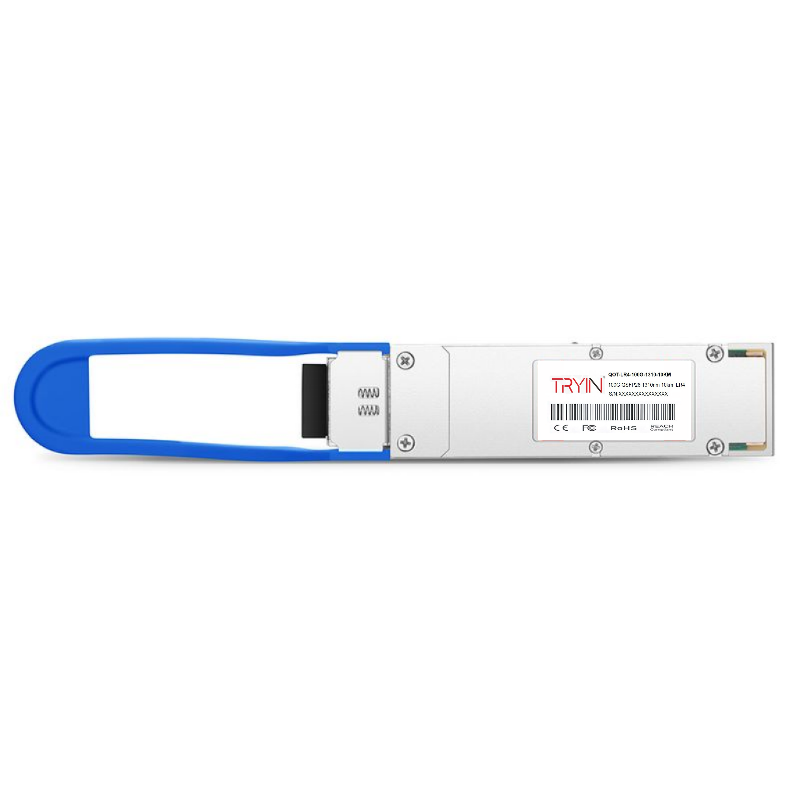
100G QSFP28 1310nm 10km LR4 Optical Transceiver

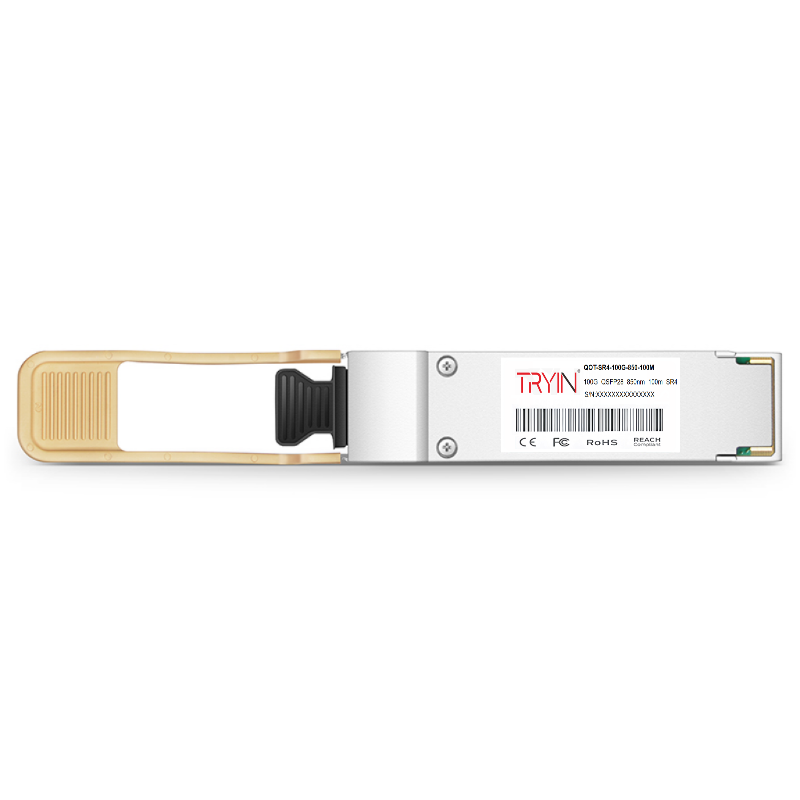
100G QSFP28 850nm 100m SR4 Optical Transceiver

What are 100G Optical Transceivers?

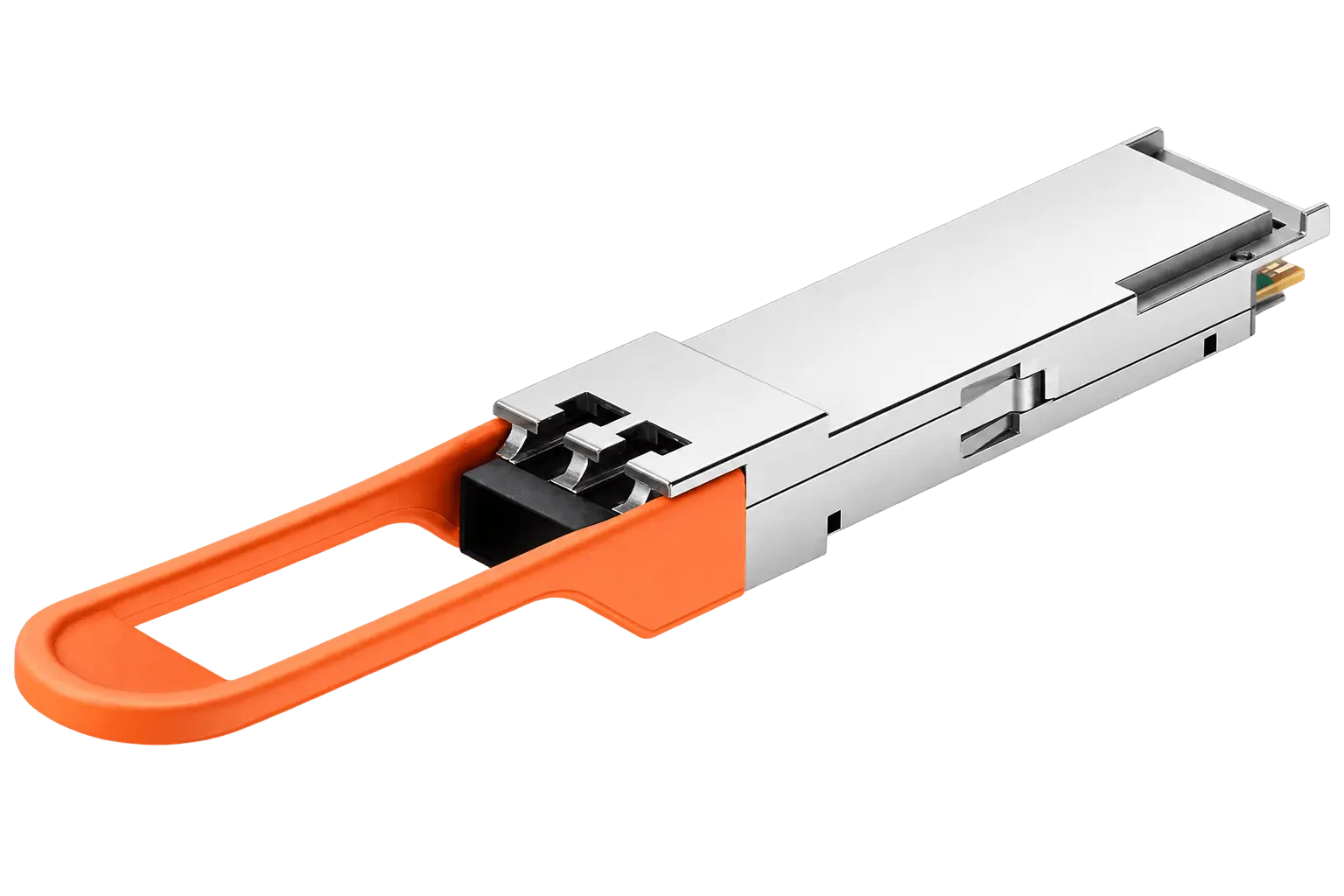
A 100G optical transceiver is a high-speed optical module designed to transmit data at up to 100 gigabits per second over fiber optic networks by converting electrical signals into optical signals — and back again.

  • Commonly used in data centers, enterprise networks, telecom systems and metro networks for reliable high-speed 100G connectivity.
  • Primarily available in QSFP28 form factors, supporting optical specifications such as SR4, PSM4, CWDM4, LR4, ER4 and ZR4.
100G Optical Transceivers

Functions of 100G Optical Transceivers

100G optical transceivers enable fast, reliable data transmission by converting electrical and optical signals, managing multiple data lanes, optimizing fiber usage, and supporting flexible network connections.

1. High-Speed 100G Data Transmission

They enable Ethernet data transmission at up to 100 Gbps, providing the bandwidth required for data center interconnects, cloud networks, metro networks, and telecom infrastructure. Different optical standards support transmission distances ranging from short-reach multimode links to tens of kilometers over single-mode fiber.

2. Electrical-to-Optical Signal Conversion

100G optical transceivers convert high-speed electrical signals from switches, routers, and other network equipment into optical signals for transmission over fiber. At the receiving end, they convert the incoming optical signals back into electrical data.

3. Multi-Lane Signal Processing and Aggregation

Many widely deployed 100G QSFP28 transceivers use four 25 Gbps electrical lanes to create an aggregate 100G connection. Internal components such as DSP and CDR may perform signal conditioning, retiming, equalization, and error correction to maintain reliable high-speed transmission.

4. Wavelength Multiplexing and Fiber Optimization

100G modules such as LR4 and CWDM4 convert multiple electrical lanes into different optical wavelengths and multiplex them onto a single fiber pair. This allows multiple channels to share the same fiber and reduces the amount of fiber cabling required.

5. Flexible Network Interconnection

100G transceivers provide standardized optical interfaces for connecting switches, routers, servers, and optical transport equipment. Depending on the module type, they can support different fiber types, connectors, reaches, and even breakout configurations such as 100G-to-4×25G, helping networks adapt to different deployment requirements.

Applications of 100G Optical Transceivers

100G optical transceivers are widely deployed across data centers, telecom networks, enterprise infrastructure, and inter-data-center connections, providing flexible high-bandwidth connectivity for both short-reach and long-distance fiber links.

Data Center Networks

100G optical transceivers are widely used for high-speed connections between switches, servers, and network infrastructure inside modern data centers. They are particularly suitable for leaf-to-spine and aggregation links where large volumes of server-to-server and cloud traffic need to be handled efficiently. Depending on the fiber type and distance, different 100G modules can support short-reach multimode connections as well as longer single-mode links.

Data Center Interconnect (DCI)

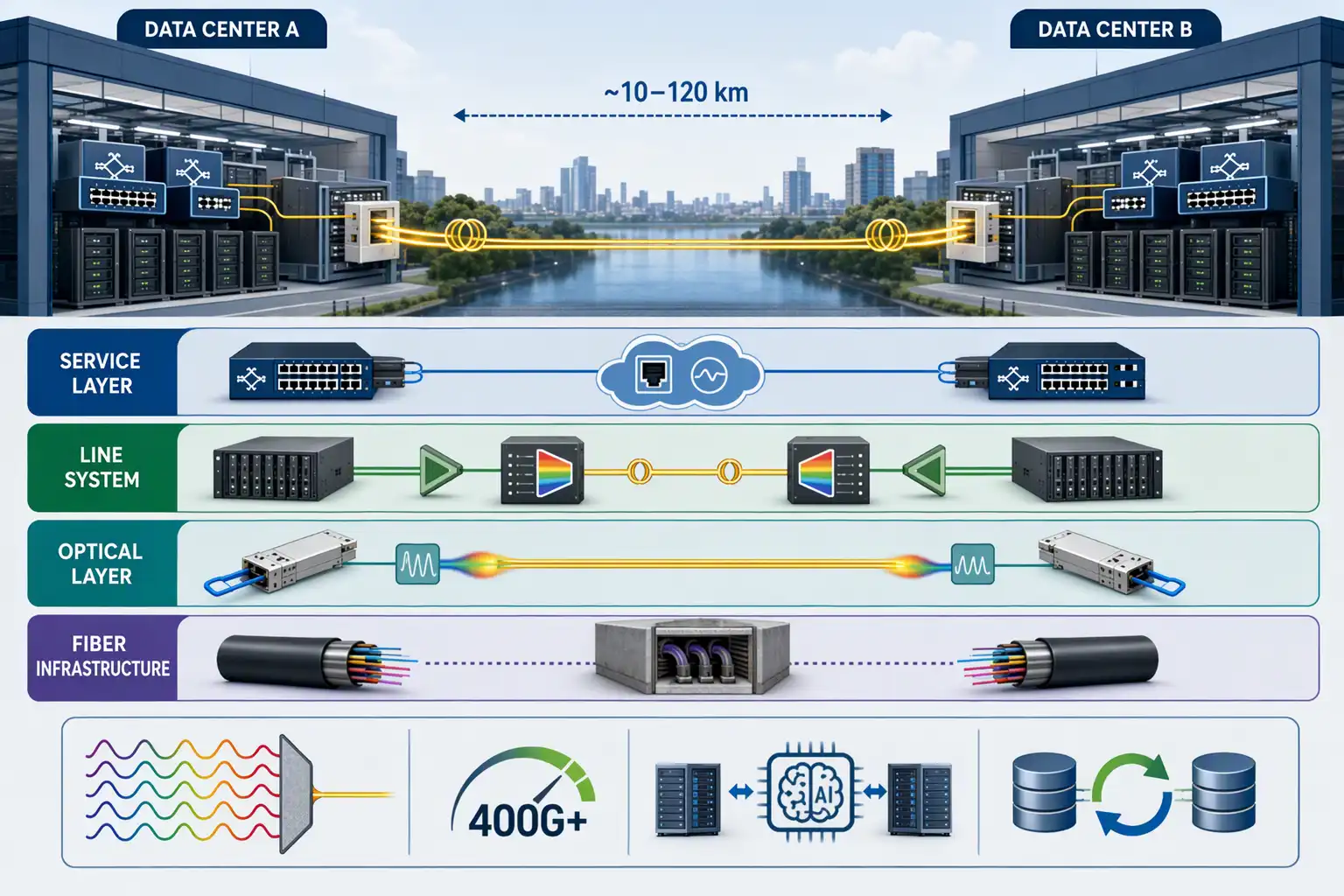
100G transceivers are commonly used to connect separate data centers, colocation facilities, and regional cloud sites. They provide high-capacity links for workload migration, data replication, disaster recovery, and cloud service connectivity. Extended-reach and coherent 100G optics can support metro DCI links over tens of kilometers and, with appropriate optical transport systems, even longer distances.

Telecom & Metro Networks

Telecom operators use 100G optical transceivers in metro access, aggregation, edge routing, mobile backhaul, and service-provider networks. Long-reach modules such as ER, ZR, and coherent 100G solutions allow high-bandwidth traffic to be transported between central offices, aggregation sites, and regional network nodes while making efficient use of existing fiber infrastructure.

Enterprise & Campus Networks

Large enterprises, universities, financial institutions, factories, and other organizations use 100G transceivers to connect core and aggregation switches or link geographically separated facilities. 100G connectivity provides additional bandwidth for cloud applications, virtualization, storage traffic, video services, and other data-intensive workloads while offering a practical upgrade path from lower-speed Ethernet networks.

Technical & Service Support

From pre-sales verification to long-term operation, our support team stays with you at every stage of your network deployment.

Pre-sales

Pre-sales Function Testing

Provide demo environments and POC test support to verify product performance and compatibility.

7×24 Support

Remote Debugging Service

7×24 hours remote technical support to quickly solve deployment, configuration, installation, and fault problems.

Warranty

Warranty Service

Standard 2-year warranty (flexible adjustment via contract negotiation), covering hardware faults and performance assurance.

Support

Client Support Services

World-class customer support team to ensure long-term stable network operation.

FAQ

What is an optical transceiver used for?

An optical transceiver converts electrical signals into optical signals and vice versa, allowing switches, routers, servers, and other network equipment to transmit data over fiber optic cables. It is widely used in data centers, telecom networks, enterprise networks, and high-speed optical communication systems.

The price of a 100G optical transceiver depends on the module type, transmission distance, wavelength, connector, and compatibility requirements. Short-reach 100G modules are generally less expensive than long-reach or DWDM models. Contact us for pricing based on your required specifications and order quantity.

100G QSFP28 is a compact, hot-pluggable optical transceiver form factor designed for 100 Gigabit Ethernet and other high-speed network applications. It typically uses four electrical lanes operating at approximately 25 Gbps each to provide an aggregate data rate of 100 Gbps.

A standard 100G QSFP28 LR4 optical transceiver typically supports transmission distances of up to 10 km over single-mode fiber (SMF). Actual transmission performance may vary depending on fiber quality, link loss, connectors, and the specific module design.

In many cases, “100G LR” is used as a general description for long-reach 100G optical modules, while “100G LR4” refers specifically to the IEEE 100GBASE-LR4 standard. LR4 uses four optical wavelengths to transmit 100G traffic over single-mode fiber, typically reaching up to 10 km. When purchasing a module labeled only as “100G LR,” it is recommended to confirm its transmission technology, reach, wavelength, and standard compliance.

Related Guides

How an SFP Transceiver Works

What is SFP Optical Transceiver?

Modern networks are under relentless pressure to move more data. AI training clusters, cloud data centers, and 5G transport all push link speeds upward, and every upgrade path eventually runs

Read More »

Contact Us

Phone

+8618934815799

WhatsApp

+8618078447008

Address

Building 13, Unit 1, Creative Industry Park, No. 70 Qilidian Road, Qixing District, Guilin City