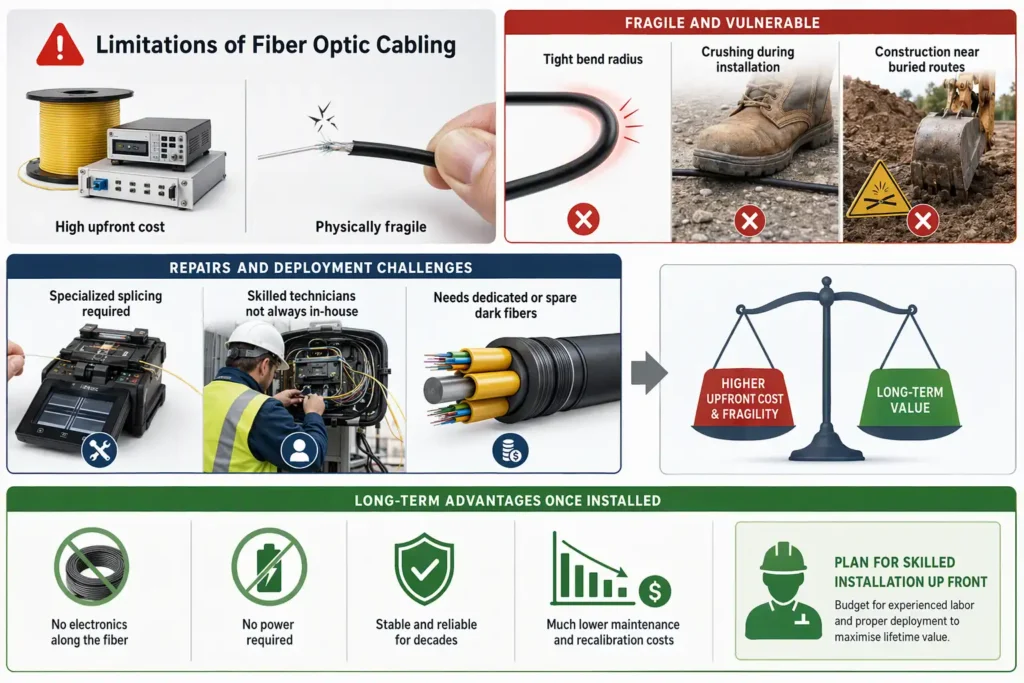
How to Choose a Fiber Optic Monitoring System
Fiber optic infrastructure now underpins power grids, oil and gas pipelines, railways, and telecom networks, and the volume of deployed fiber keeps growing every year.

Fiber optic infrastructure now underpins power grids, oil and gas pipelines, railways, and telecom networks, and the volume of deployed fiber keeps growing every year.
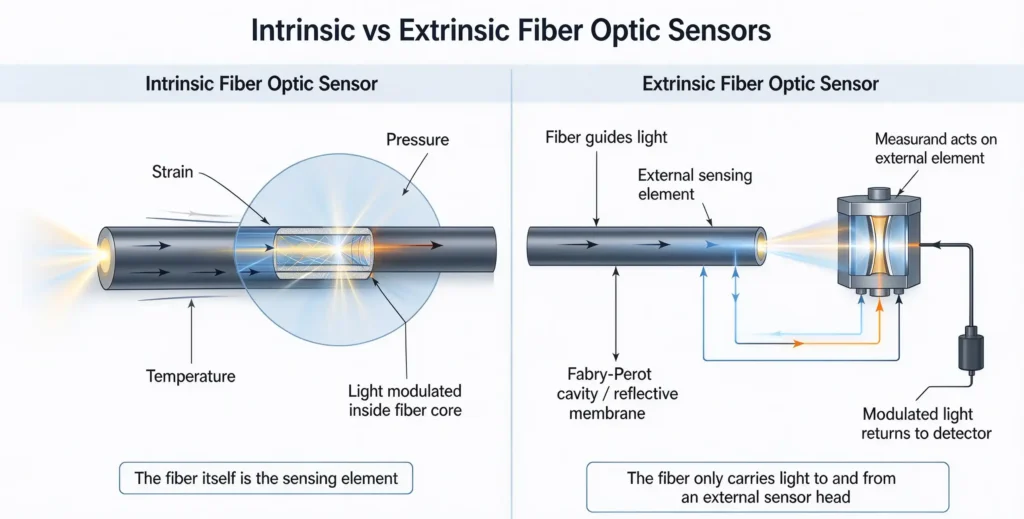
Industries that operate pipelines, power cables, bridges, and railway networks need continuous, real-time visibility into assets that stretch for kilometers, often through environments where conventional
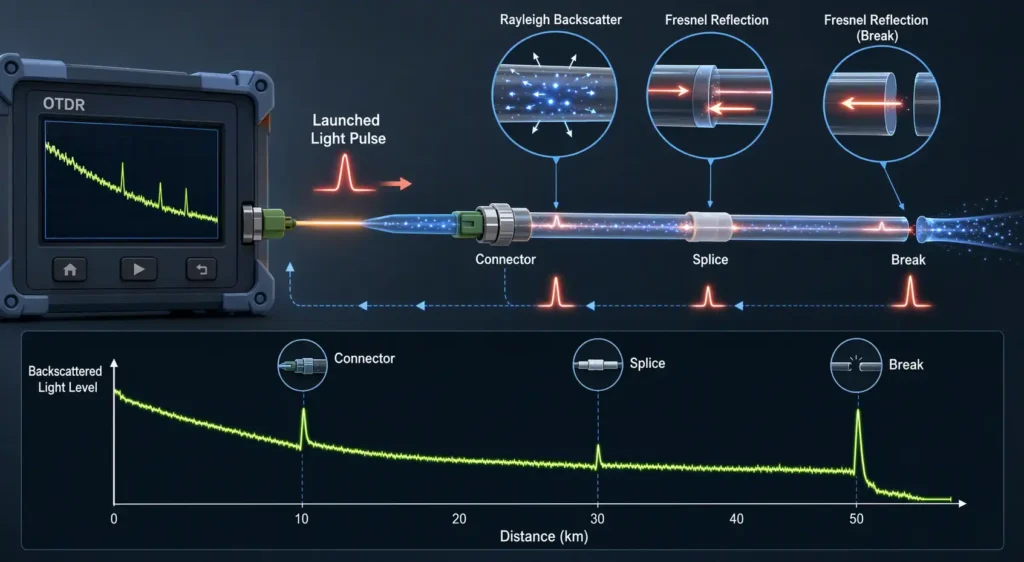
Fiber optic cables form the physical backbone of the connected world, carrying enterprise cloud traffic, financial transactions, and mobile backhaul between continents, cities, and data
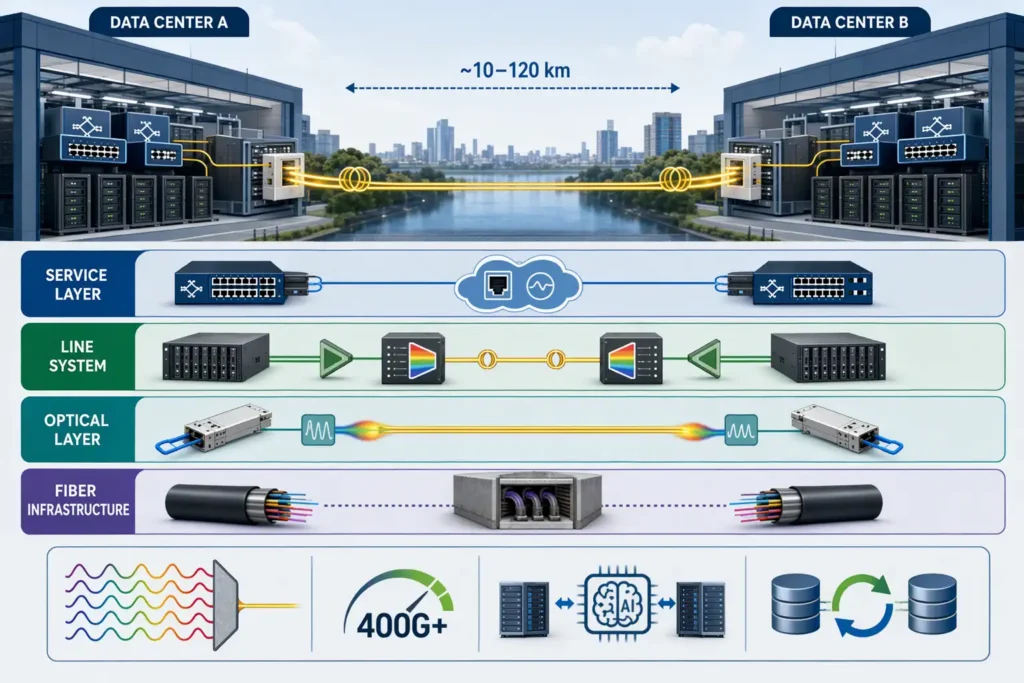
AI training and inference no longer fit inside a single building. Power density, cooling limits and land constraints push operators to spread GPU clusters across
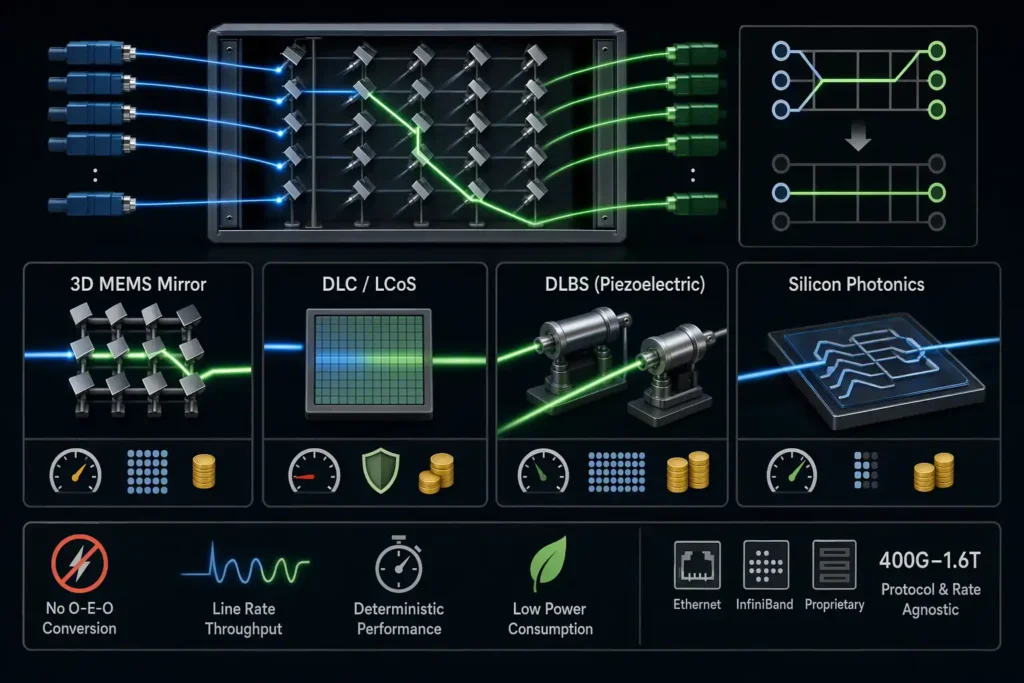
Training large AI models has pushed cluster networking to its physical limits. As accelerator counts scale toward tens of thousands, the collective communication that dominates
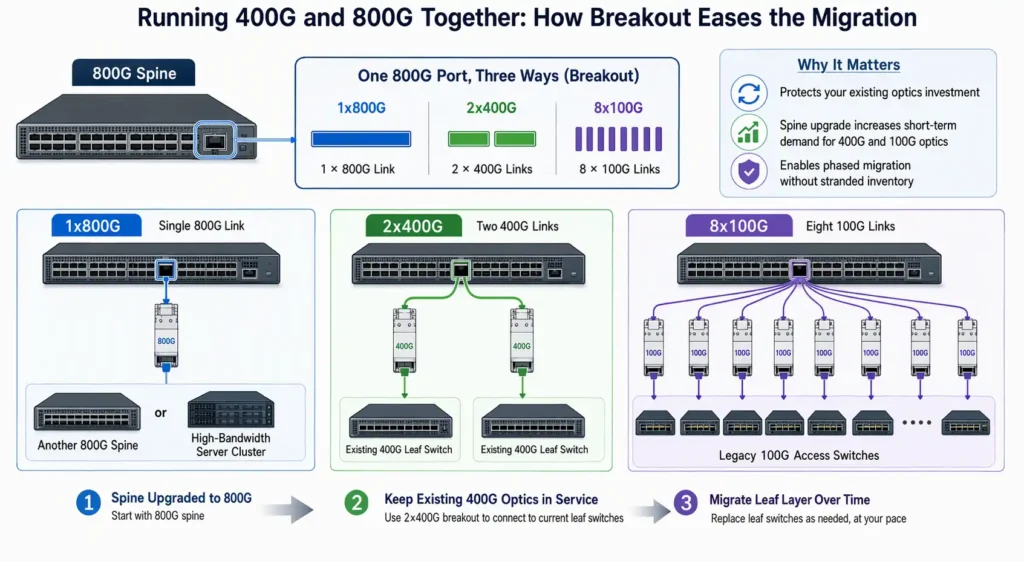
AI is rewriting the traffic profile of the modern data center. Training large models produces massive bursts of east-west traffic between GPUs, and fabrics that

Singapore | September 29–30,2026 Tryin successfully participated in Data Centre World Asia 2026,held on September 29–30 at Marina Bay Sands,Singapore. As data centres continue to
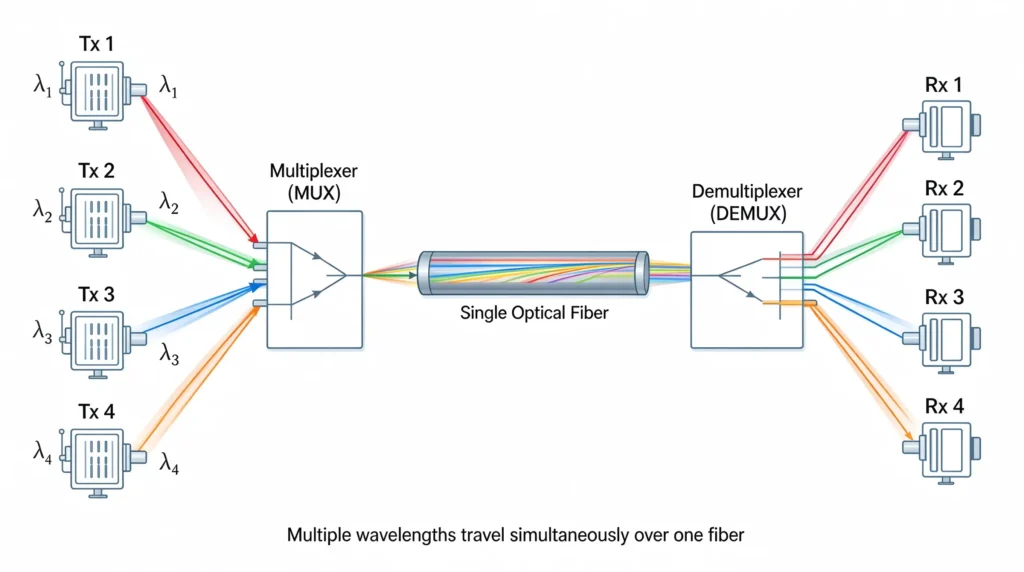
As cloud services, video streaming, and AI-driven workloads continue to multiply global data traffic, network operators and enterprises face a stubborn bottleneck: the demand for
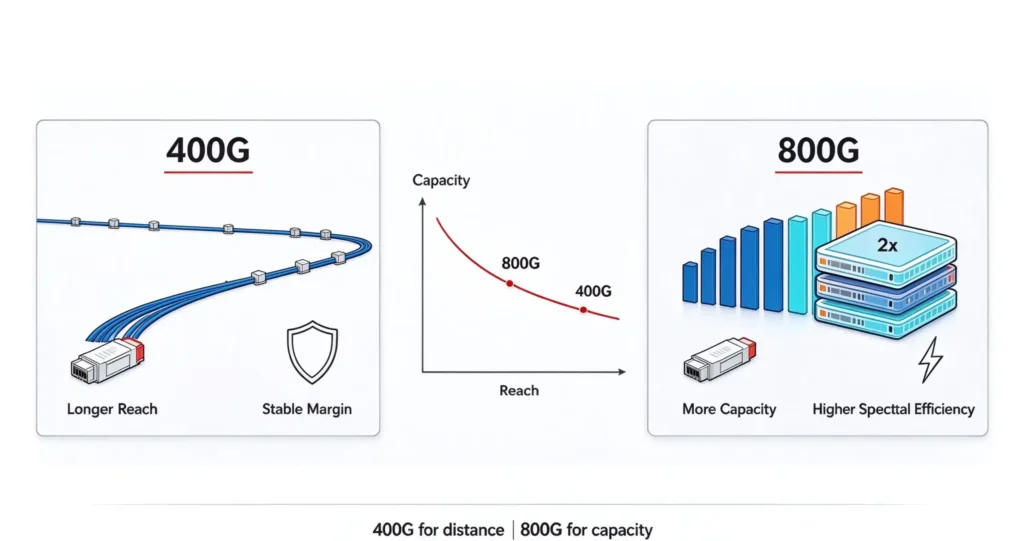
As carrier backbones, regional transport rings, and data center interconnects carry ever-growing traffic, long-haul optical networks must push hundreds of gigabits per wavelength across amplified
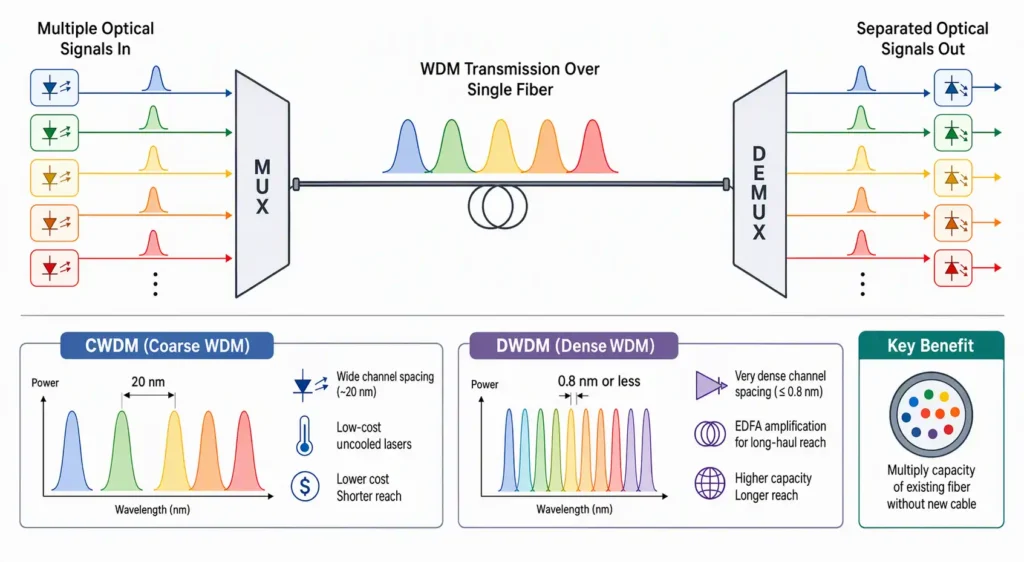
Bandwidth demand on fiber optic networks keeps climbing as enterprises, data centers, and carriers absorb AI workloads, 5G backhaul, and cloud traffic. Leasing additional fiber