
Fiber optic infrastructure now underpins power grids, oil and gas pipelines, railways, and telecom networks, and the volume of deployed fiber keeps growing every year. These assets face continuous threats: thermal hotspots in power cables, third-party intrusion along pipelines, gradual mechanical degradation, and sudden link failures. Conventional electronic sensors struggle in high-voltage, corrosive, or hard-to-reach environments, and manual patrol inspection is slow, costly, and often unable to pinpoint problems before they escalate.
Choosing the right fiber optic monitoring system comes down to matching the sensing technology to what you actually need to measure. Point sensors such as fiber Bragg gratings deliver high-precision readings at critical locations, distributed sensing systems such as DTS, DAS, and DVS provide continuous temperature, acoustic, and vibration profiles along tens of kilometers of fiber, and OTDR-based platforms locate faults in communication networks. Once the technology matches the application, compare spatial resolution, measurement range, accuracy, environmental robustness, integration capability, and total cost of ownership before committing to a purchase.
The sections below walk through each of these decision factors step by step so you can specify a system with confidence.
What Is a Fiber Optic Monitoring System?
A fiber optic monitoring system uses optical fiber itself as the sensing medium, continuously measuring physical conditions such as temperature, strain, vibration, and link health along an asset, and converting the returned optical signals into live data, trends, and alarms.
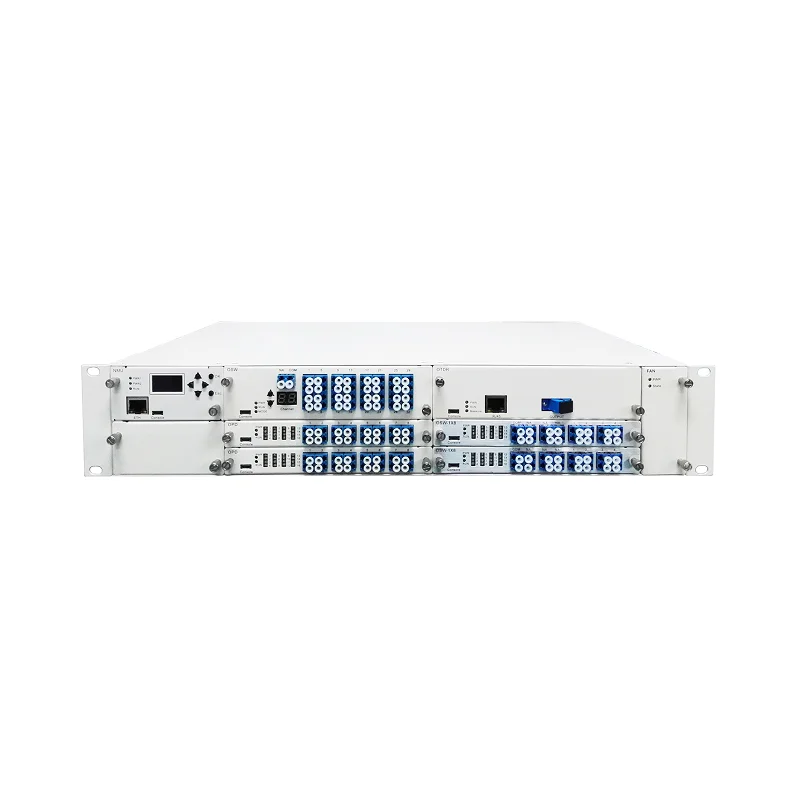
Unlike conventional sensors that need an electronic device at every measurement point, the fiber serves as both the transmission channel and the sensor. This brings several structural advantages: complete immunity to electromagnetic interference, resistance to corrosion and high temperatures, no power required along the sensing route, and coverage of tens of kilometers from a single interrogator. These properties make fiber optic monitoring the preferred choice for power transformers and cables, pipelines, tunnels, and long-haul communication networks. When reviewing what vendors offer, it helps to start from their overall optical fiber sensing and monitoring portfolio rather than from an isolated product, because a well-structured portfolio shows how point and distributed technologies are meant to be combined.
What Are the Different Types of Fiber Optic Sensors?
Fiber optic sensors fall into two main categories: point sensors, which take high-precision measurements at fixed critical locations, and distributed sensing technologies, which measure continuously along the entire length of the fiber.
Point Sensors: Fiber Bragg Grating
A fiber Bragg grating (FBG) is a periodic structure inscribed into the fiber core that reflects a specific wavelength of light. When temperature or strain changes at the grating location, the reflected wavelength shifts in a predictable way, allowing the interrogator to calculate the exact physical value. Because dozens of gratings can be multiplexed on a single fiber, an FBG array delivers fast, high-accuracy readings at multiple critical points simultaneously. FBG sensors excel where precision matters more than coverage, such as transformer winding hotspots, busbar joints in switchgear, and structural stress points on bridges.
Distributed Sensing: DTS, DAS, and DVS
Distributed systems take a different approach: the fiber itself becomes a continuous sensor. DTS distributed temperature sensing uses Raman scattering to build a full temperature profile along the fiber, DAS (distributed acoustic sensing) converts the fiber into a microphone array that detects and locates acoustic events, and DVS (distributed vibration sensing) tracks vibration signatures along the route. One sensing fiber can therefore replace thousands of conventional measurement points.
| Technology | Measures | Best Suited For |
| FBG | Temperature, strain, pressure at discrete points | Transformer windings, switchgear, structural hotspots |
| DTS | Continuous temperature profile | Power cables, pipelines, fire detection |
| DAS | Acoustic events along the fiber | Perimeter security, pipeline intrusion detection |
| DVS | Vibration along the fiber | Railways, borders, buried assets |
How Do You Match the System to Your Application?
The correct system is determined by four application questions: what you need to measure, how far the asset extends, how precisely events must be located, and how harsh the operating environment is.
Work through these questions before contacting vendors:
- Measured parameter. Temperature, vibration, strain, or link integrity each point to a different technology, and several can be combined in a hybrid deployment.
- Coverage length and location precision. A 40 km pipeline route needs a distributed system with meter-level resolution, while a transformer only requires a handful of highly accurate point sensors.
- Environmental conditions. High-voltage zones, corrosive chemistry, cryogenic temperatures, or strong vibration demand sensors and cables rated for those conditions, so always specify the full environment, not just the normal case.
- Response speed. Dynamic events such as intrusions need high sampling rates, while slow thermal trends tolerate longer intervals and lighter data volumes.
For example, power cable operators typically select distributed temperature sensing to catch hotspots early and enable dynamic cable rating, pipeline operators choose DAS or DVS to detect third-party interference, and network operators rely on OTDR testing to keep optical link budgets under control. Selecting against these real scenarios prevents paying for precision you will never use.
What Key Specifications Should You Compare?
Compare spatial resolution, measurement range, accuracy, sampling rate, and dynamic range, and require third-party test reports that verify each figure rather than accepting datasheet claims at face value.
| Specification | What It Means | What to Check |
| Spatial resolution | Minimum distance between two distinguishable measurement points | Meter-level or better for long routes |
| Measurement range | Maximum sensing distance per channel | Must exceed route length with margin to spare |
| Accuracy | Deviation between measured and true values | Match precision to how critical the asset is |
| Sampling rate | How often each point is updated | Higher rates for dynamic events, lower for trends |
| Dynamic range | Tolerable optical loss along the route | Long links require generous headroom |
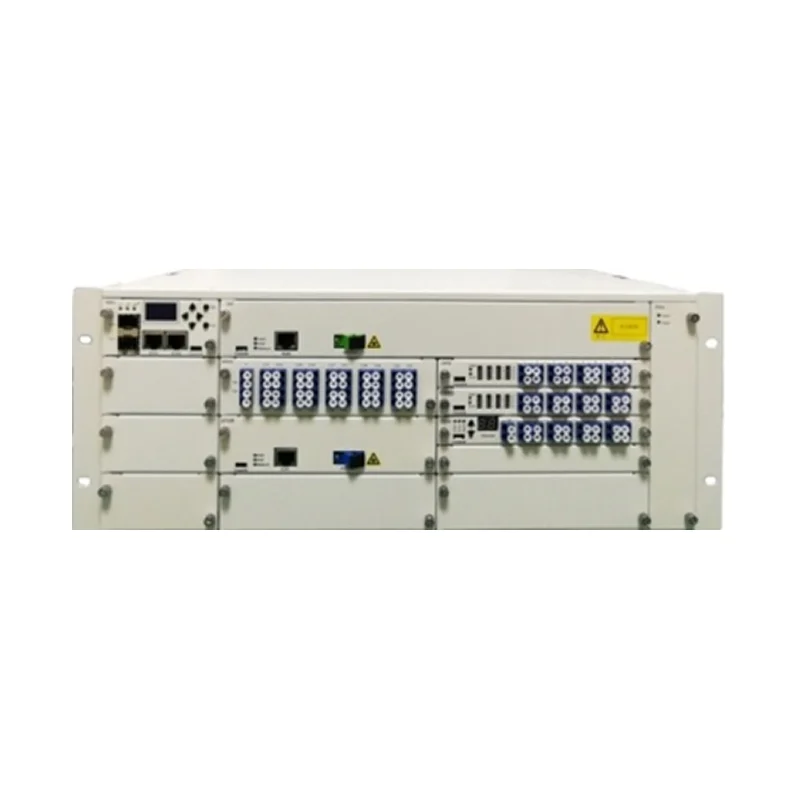
For communication networks, fault location performance matters most. An OTDR solution injects light pulses into the fiber and analyzes the backscatter signature to locate breaks, bends, and degraded splices with meter-level accuracy, often combined with optical switching so one unit can poll dozens of fiber cores automatically. Ask vendors to demonstrate fault location on your actual cable plant, not only in a laboratory setup.
What Are the Limitations of Fiber Optic Cabling?
The biggest downside of fiber optic cabling is the combination of higher upfront cost and physical fragility: dedicated sensing fiber and interrogators require significant initial investment, and glass fibers demand careful handling, precise installation, and specialized splicing skills.
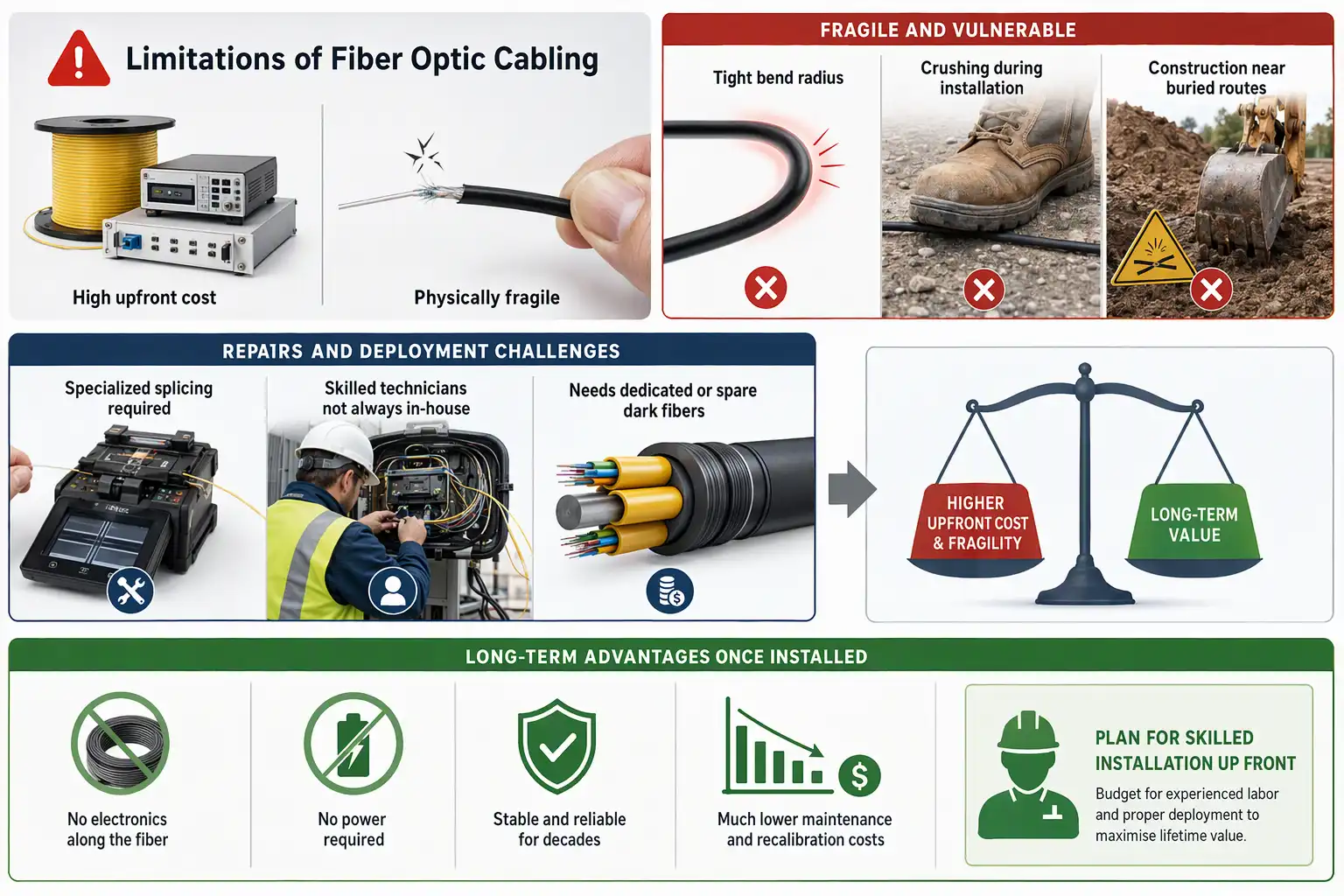
Fiber is more fragile than copper. Tight bend radii, crushing forces during installation, and construction work near buried routes can raise attenuation or break the fiber outright. Repairs require fusion splicing equipment and trained technicians, which not every maintenance team has in house. Distributed sensing systems also need dedicated or spare dark fibers, which adds cabling cost for new projects.
These drawbacks must be weighed against the long-term picture. Once installed, a sensing fiber carries no electronics, needs no power, and remains stable for decades, so maintenance and recalibration costs stay far below those of equivalent electronic sensor networks. For most critical assets, the lifetime economics favor fiber, but budget owners should plan for skilled installation labor up front rather than being surprised by it later.
How Do You Evaluate Suppliers and Total Cost of Ownership?
There is no single best fiber optic tester or monitoring system for every project; the best choice is the supplier whose documented performance, integration support, and lifecycle economics match your specific application.
Use this checklist during evaluation:
- Verification. Request third-party calibration and test reports for resolution, range, and accuracy, and ask for a pilot on your most demanding route rather than your easiest site.
- Integration. Confirm support for the protocols your operations rely on, such as Modbus, IEC 61850, or SNMP, and require a documented alarm path from sensor to operator screen before purchase.
- Service. Evaluate installation support, calibration intervals, spare parts availability, and written response commitments, since monitoring systems stay in service for many years.
- Total cost. Build a multi-year model covering hardware, software licensing, installation, splicing, maintenance, and training, and compare candidates on that basis instead of unit price alone.
Suppliers who design against your stated requirements, disclose realistic performance limits, and support the system through its full life consistently outperform those who simply quote the lowest price.
FAQs
These answers address common follow-up questions from teams specifying fiber optic monitoring deployments.
How can you tell if a fiber cable is OS1 or OS2?
Check the cable jacket markings and the manufacturer datasheet. OS1 and OS2 are fiber grades defined by maximum attenuation in ISO/IEC 11801-1: 1.0 dB/km for OS1 and 0.4 dB/km for OS2, at both 1310 nm and 1550 nm. OS1 targets indoor use and is commonly built as tight-buffered cable, while OS2 targets outdoor routes and is usually loose-tube.Both single-mode fiber types are defined under the ITU-T G.652 recommendation, so a compliant datasheet should reference it explicitly.
How much does a fiber optic monitoring system typically cost?
Costs vary widely with the sensing technology, number of channels, route length, and software platform. Point sensing installations are generally the least expensive, while distributed systems and OTDR platforms with optical switching scale with distance and fiber count. Base budget estimates on your measured requirements and always include installation, licensing, and multi-year maintenance.
Can existing installed fiber cables be used for monitoring?
Often yes. Spare dark fibers in already installed cables can frequently host distributed temperature or acoustic sensing if the cable route runs close to the asset being monitored, and OTDR testing works on any operational link. Verify the fiber type, attenuation history, and route accessibility before committing.